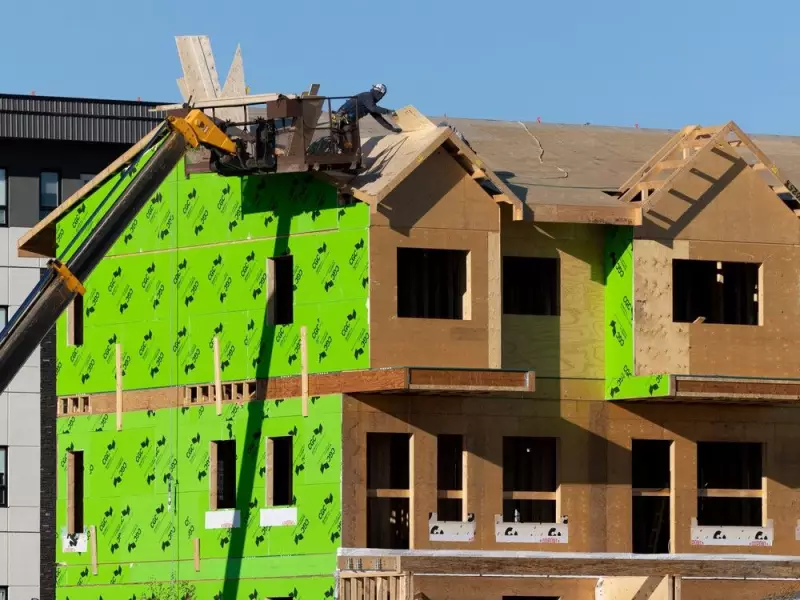
Developers in Saskatoon are sounding the alarm over proposed changes to the city's housing incentive program, arguing that the shift could make crucial infill projects financially unviable and undermine efforts to increase density in established neighbourhoods.
City Proposes Narrower Focus for Tax Breaks
The concerns were raised following a city committee meeting on Wednesday, January 15, 2024, where administration outlined a new direction for offering housing incentives. The proposed plan would move away from a broader tax abatement program for vacant properties. Instead, it would focus incentives primarily on properties located along the future Bus Rapid Transit (BRT) Link routes. This includes specific areas in neighbourhoods like Riversdale, Nutana, and Sutherland.
The new program would offer abatements—which can be a cancellation, reduction, refund, or deferral of property taxes—for projects on vacant sites, derelict principal buildings, or for adaptive reuse projects. City administration noted that this could include homes that are currently occupied if they meet the criteria for redevelopment.

Developers Cite Soaring Costs for Infill Projects
Local developers Patrick Wolfe and James Wright have been vocal about the potential negative impacts. They argue that incentives are still desperately needed in other parts of the city centre beyond the new, narrowly defined corridors.
Patrick Wolfe pointed out that the current program reaches into established neighbourhoods, while the new proposal limits the incentive to specific growth corridors. "He suggested that the city add some busier streets from those neighbourhoods into the new plan," the meeting heard. Wolfe emphasized the stark financial reality of infill development compared to suburban sprawl.
"There are so many more costs, it's about anywhere from five to 10 times more. Even with the tax abatement, it's still more than the suburbs," Wolfe stated bluntly. He countered that infill work is ultimately beneficial for the city's bottom line, as it builds homes on existing infrastructure with spare capacity, thereby creating more taxable value per area.
For many projects, Wolfe asserted, these tax abatements are the deciding factor on whether construction proceeds.
Phase-Out Structure and Neighborhood Exclusions Add Risk
James Wright, who supports the abatement concept and has used it three times, raised additional concerns about the mechanics of the proposed change. The new program would phase out the tax benefit over a five-year term, unlike the existing flat-rate abatement offered over the same period.
Wright warned that this change, combined with the exclusion of certain neighbourhoods from eligibility, will put some infill projects in jeopardy. He listed the unique challenges of infill: "Land costs are higher, site assembly is much more challenging, construction efficiencies are reduced due to the constrained sites." The proposed incentives, he fears, do not adequately offset these inherent difficulties.
The committee members, including Mayor Cynthia Block, engaged with city administration to better understand the rationale behind the changes. Mayor Block specifically asked if there were other ways to incentivize infill development in the neighbourhoods that would be left out of the new tax abatement program under the current proposal.
The debate highlights the ongoing tension in municipal planning between encouraging efficient, dense urban development and providing the necessary financial tools to make such projects attractive to builders in a competitive market.