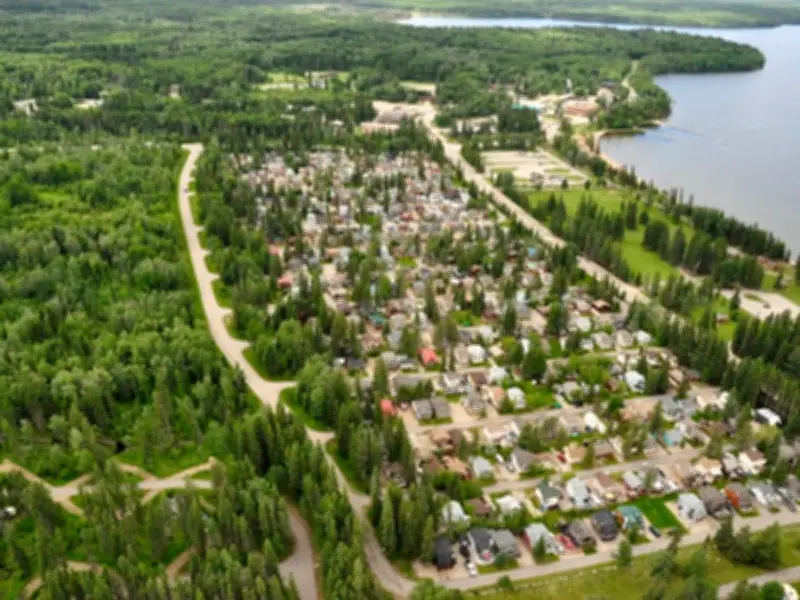
Summer in Saskatchewan has turned attention to lake country, where the cabin market remains steady but prices have climbed significantly from pre-COVID levels. A Royal LePage report released this spring indicated that the median price for a single-family cabin in the north-central region rose from $380,000 in 2024 to $415,000 in 2025, an increase of 9.2 per cent.
Lakefront Properties See Smaller Percentage Gains
For lakefront cabins, the median price reached $675,000 in 2025, up from $637,500 in 2024, representing a 5.9 per cent increase. At the high end, waterfront cottages at Emma Lake can cost as much as $2.9 million for a 4,000-square-foot property. However, more affordable options are available both at Emma and elsewhere in the province.
Across Manitoba and Saskatchewan combined, the average cabin price was $281,400 in 2025, with Royal LePage forecasting a 5.5 per cent rise to $296,877 in 2026. This remains well below the national average of $581,300 in 2025.

Inventory Varies by Location
As of June 22, there were 34 properties for sale at Emma Lake, a popular destination north of Prince Albert. In contrast, Anglin Lake, just south of Prince Albert National Park, had only one listing, and Greig Lake in Meadow Lake Provincial Park also had just one. The most sought-after regions include north-central Saskatchewan, home to Emma, Christopher, Candle and Waskesiu lakes.
Kent Braaten, a Saskatoon real estate agent with Century 21 Fusion who closely tracks the cabin market, noted that activity remains brisk. “It’s still pretty busy. Getting busier,” he said. “I’ve had quite a few people reach out in the last couple of weeks to get evaluations to potentially sell their property.”
Demand Below COVID Peaks
Braaten added that demand, while strong, has not returned to the height of the COVID-19 pandemic, when cabin sales surged as Canadians sought vacation alternatives. “It’s definitely not at that height of COVID when demand was like ‘I’m not going to my vacation home in Arizona so I’m going to buy a cabin’ level.”
One notable trend is the amount of new construction occurring in lake country, which Braaten highlighted as a sign of ongoing interest and investment in recreational properties.