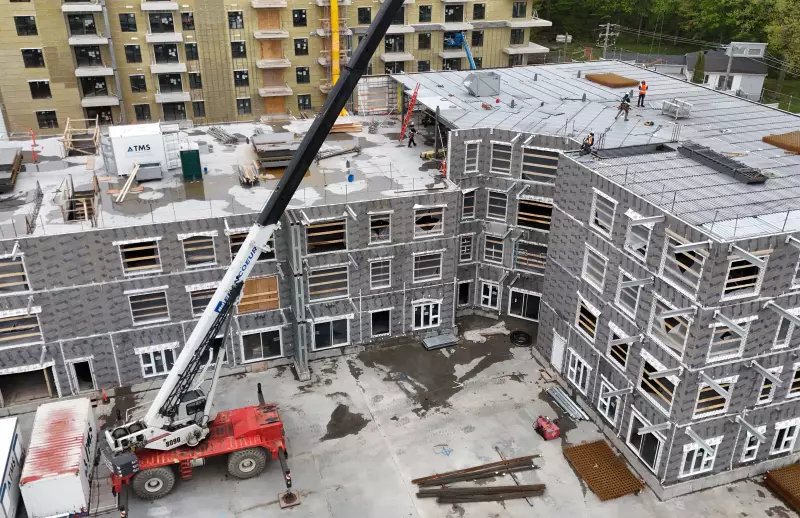
The landscape of social housing in Montreal is facing a potential shift as major private development firms begin to enter the sector, a move that is generating significant concern among housing advocates and community groups. This new trend, emerging in early 2026, marks a departure from traditional models of publicly funded or non-profit affordable housing development.
Understanding the New Development Model
The involvement of large-scale private builders in constructing social housing units represents a novel approach for the city. While details on specific projects or agreements are still developing, the core model involves these for-profit companies dedicating a portion of their new residential developments to units priced below market rate. Proponents argue that this method can accelerate the construction of affordable units by leveraging private capital and construction efficiency, potentially helping to alleviate the city's chronic housing shortage more quickly than public projects alone.
However, the strategy is not without its critics. Key concerns center on the long-term affordability guarantees and the potential for profit motives to conflict with social housing goals. There are questions about whether agreements will ensure these units remain affordable in perpetuity or if they will revert to market rates after a set period. Furthermore, the selection of locations and the quality of construction for the social housing portions are under scrutiny, with fears they may be segregated within larger, luxury-oriented developments.

Community and Expert Apprehensions
Housing advocates and urban policy experts in Montreal have voiced strong reservations. A primary worry is that this model could lead to a two-tiered system within buildings and neighborhoods, exacerbating social divisions rather than fostering inclusive communities. There is also apprehension about the transparency of the agreements between the city and private developers and whether they include robust enforcement mechanisms to protect tenants' rights and affordability standards.
The timing of this shift is critical, as Montreal, like many major Canadian cities, continues to grapple with a severe affordable housing crisis. Rents have been climbing steadily, and vacancy rates for low-income housing remain dangerously low. While any new supply of affordable units is urgently needed, community organizations stress that the solution must be sustainable, equitable, and centered on the needs of residents, not developer profits.
Looking Ahead: Implications for Montreal's Future
The entry of private capital into social housing is likely to spark broader debates about the role of government versus the market in solving public welfare issues. Municipal and provincial officials may face increased pressure to clarify the regulatory framework governing these partnerships. Key questions remain about oversight, maintenance responsibilities, and what happens if a private developer sells the building.
As this story develops throughout 2026, all eyes will be on Montreal to see how these pioneering projects unfold. The success or failure of this model could set a precedent for other cities across Canada facing similar housing pressures. The fundamental challenge will be balancing the need for rapid housing construction with the unwavering commitment to creating stable, dignified, and permanently affordable homes for Montreal's most vulnerable residents.