Prince Albert City Council Denies Ronald McDonald House Request to Re-Examine Development Agreement
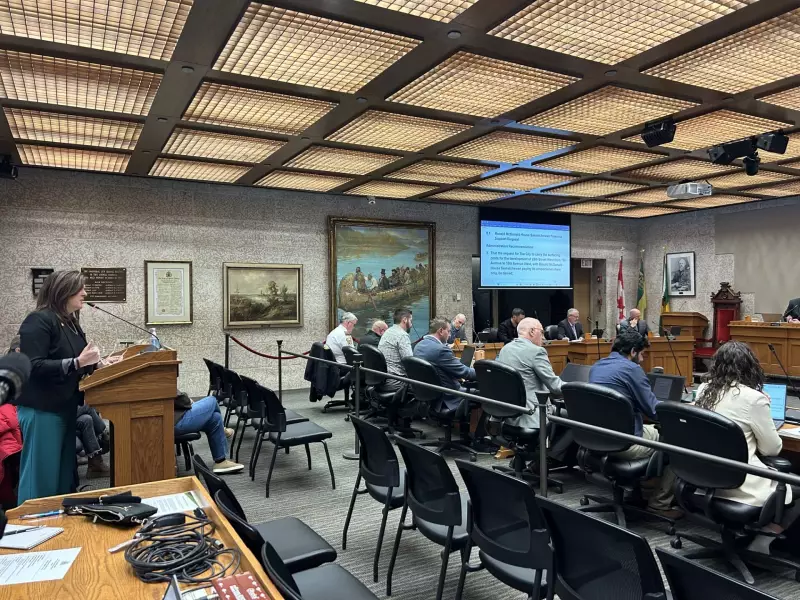
In a decisive move, the Prince Albert city council has formally rejected a request from Ronald McDonald House Charities to re-evaluate a development agreement. This decision, made during a recent council meeting, directly impacts the charity's plans to establish or expand a facility in the city, which is designed to provide accommodation and support for families with children receiving medical treatment at nearby hospitals.
Background and Context of the Development Dispute
The request from Ronald McDonald House Charities sought a review of the existing development terms, likely pertaining to zoning, land use, or specific construction requirements. Such agreements are critical for non-profit organizations aiming to build specialized facilities that serve vulnerable populations. The council's denial indicates that the current terms will stand without modification, potentially affecting the timeline, scope, or feasibility of the charity's project in Prince Albert.
Implications for Community Health and Support Services
Ronald McDonald Houses are renowned across Canada for offering a home-like environment for families traveling long distances for pediatric healthcare. By denying this request, the council's decision may delay or alter the availability of these essential services in the Prince Albert region. This could force families to seek alternative accommodations, adding financial and emotional strain during already challenging times.

The council's stance highlights the complex balance between municipal regulations and community health initiatives. While development agreements are necessary to ensure orderly urban growth, this case underscores the potential conflicts that can arise when charitable projects face bureaucratic hurdles.
Reactions and Next Steps
Although specific reactions from Ronald McDonald House Charities were not detailed in the initial report, such a denial typically prompts organizations to reconsider their strategies. They may need to explore alternative locations, negotiate different terms, or launch public awareness campaigns to garner community support. The decision also raises questions about how municipalities in Saskatchewan and beyond can better facilitate projects that address critical social needs.
This development occurs amidst broader discussions in Saskatchewan about healthcare infrastructure and support systems, as highlighted by other provincial news items. For instance, reports indicate that Saskatchewan doctors are grappling with significant administrative burdens, which could indirectly relate to the need for enhanced family support services like those offered by Ronald McDonald House.
Moving forward, stakeholders will likely monitor whether the charity pursues further appeals or modifications to its proposal. The outcome could set a precedent for how similar charitable developments are handled in Prince Albert and other municipalities across the province.