Ottawa's Zoning Overhaul: Bungalows to Condos Without Parking Sparks Debate
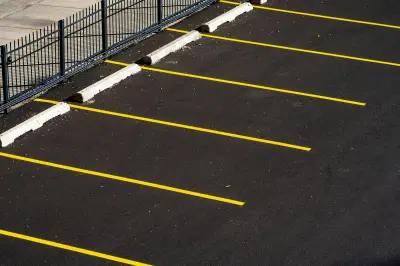
The City of Ottawa is poised to implement sweeping new zoning regulations that will fundamentally transform established residential neighborhoods across the capital. These rules permit the construction of three-storey, multi-residential buildings on streets traditionally dominated by single-family homes, with no requirement for parking provisions.
Government Alignment and Council Enthusiasm
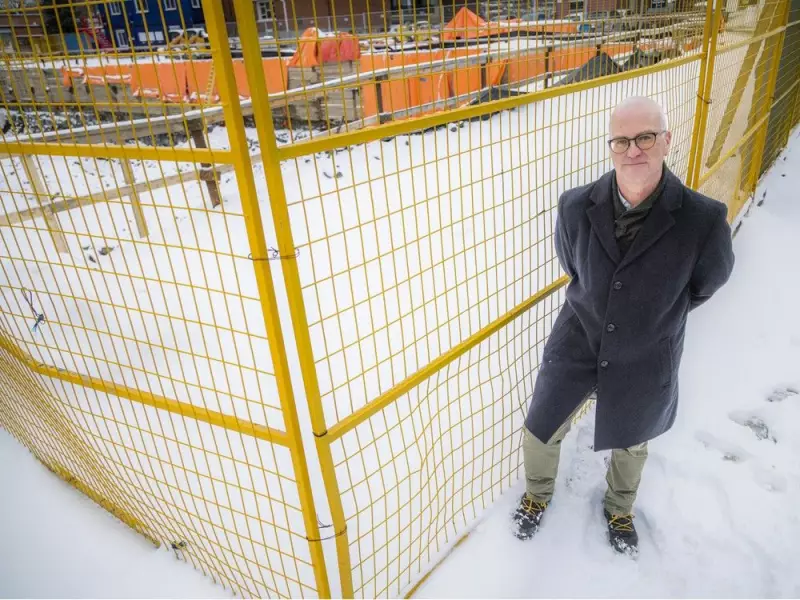
The proposed zoning bylaw overhaul reflects priorities shared by federal, provincial, and municipal governments, with Ottawa city council demonstrating genuine enthusiasm for the initiative. Councillor Jeff Leiper, chair of the planning and housing committee, emphasizes that these changes will reshape the city over the next two decades to accommodate projected growth toward a population of 1.7 million.
This density-focused approach represents a significant departure from decades of established neighborhood patterns, creating what some describe as unwanted uncertainty for homeowners who purchased properties with expectations of stable, low-density surroundings.

Investment Concerns and Market Realities
When residents invest in single-family homes, they typically pay a premium for the privilege of living on streets with lower density. The new policy threatens this investment calculus, as prospective buyers must now consider the possibility of three or four-unit apartment buildings appearing adjacent to what were once exclusively single-family properties.
The financial implications are substantial—properties facing potential density increases would likely command lower prices compared to similar homes in areas not subject to such transformations.
The "Missing Middle" Debate
City planners advocate for increased density as essential to meeting future housing demand, promoting what they term the "missing middle"—medium-density development positioned between single-family homes and high-rise towers. However, statistical evidence challenges this narrative.
A 2024 study utilizing federal statistics reveals that single detached houses constitute 41.7 percent of Ottawa's housing stock, while the so-called "missing middle"—including semis, row houses, duplexes, and small apartments—actually comprises 39.1 percent of existing housing.
Public Preferences Versus Policy Direction
Despite the push toward densification, public sentiment appears misaligned with policy direction. A 2025 survey indicates that 61 percent of respondents prefer single detached homes, with only 24 percent favoring apartments or condos. Among those considering home purchases, 76 percent identified having a backyard as an important priority.
Bungalows remain particularly popular, preferred by 30 percent of overall respondents and a striking 68 percent of baby boomers. For potential condo buyers, parking availability ranks as a top concern—a feature notably absent from the new zoning provisions.
Implementation and Impact Projections
City officials attempt to mitigate concerns by suggesting that only about one percent of homes would be replaced by these new apartment buildings annually. Yet this seemingly modest percentage translates to approximately 1,700 single detached homes lost each year, representing a significant cumulative transformation of Ottawa's residential landscape.
The new rules grant liberal infill rights universally, extending beyond traditionally transitioning neighborhoods with substandard housing stock to encompass any established street in the city. This represents a fundamental shift in urban planning philosophy that prioritizes density above established neighborhood character and resident preferences.