Ottawa Councillors Advocate for Enhanced Legislative Tools to Protect Heritage Buildings
Several members of Ottawa's built heritage committee are actively pursuing additional legislative mechanisms to address the growing issue of derelict and deteriorating heritage properties throughout the city. These municipal representatives seek more effective ways to compel property owners to restore and develop designated heritage buildings before they fall into irreversible disrepair.
The Current Limitations of Heritage Protection
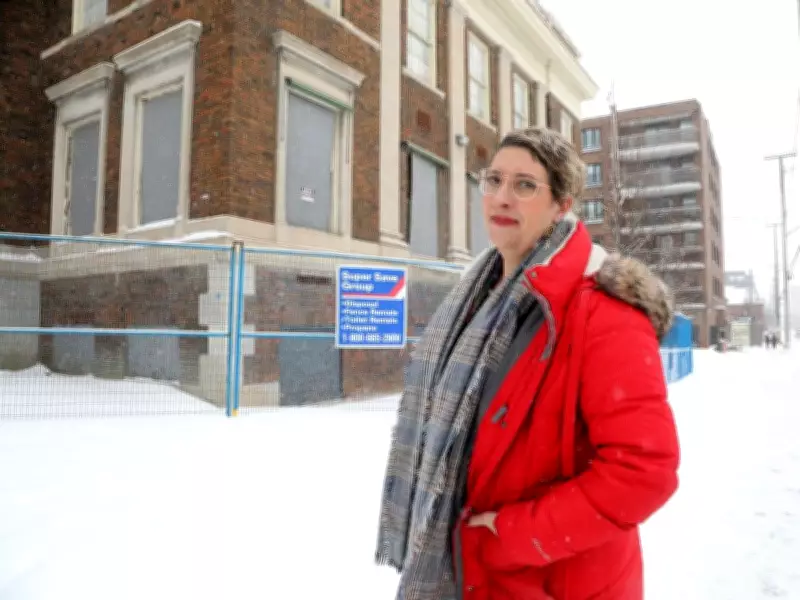
Somerset Councillor Ariel Troster has highlighted the city's current limitations in dealing with neglected heritage properties. She notes that Ottawa primarily relies on incentives such as heritage restoration grants to encourage property maintenance, describing these measures as a way to "gently nudge" owners toward responsible stewardship.
"We have the carrot, but we don't have the stick," Troster emphasized, pointing to the frustration expressed by community members who witness heritage buildings deteriorating without meaningful intervention. "My community is incredibly fed up and there's an enormous amount of frustration," she added, noting that residents frequently ask what can be done to force developers to take action on neglected properties.

Proposed Commercial Vacancy Tax as a Solution
One significant proposal gaining attention involves implementing a vacant commercial unit tax, modeled after the residential vacant unit tax introduced in 2022. This measure would serve as a financial disincentive for commercial property owners who allow heritage buildings to remain empty and deteriorating.
Troster explained that some property owners deliberately neglect heritage buildings in hopes they will deteriorate to the point where demolition becomes permissible—a practice sometimes referred to as "demolition by neglect." She recounted a particularly revealing conversation with one developer who openly admitted this strategy, noting that such approaches are unfortunately not uncommon in heritage preservation challenges.
Success of Residential Vacancy Tax Program
The existing residential vacant unit tax program has demonstrated measurable success since its implementation. According to recent data, Ottawa identified 4,140 vacant units across various housing types in 2023, representing approximately 1.2 percent of all homes in the city.
Between 2022 and 2023, at least 1,607 previously vacant residential units returned to the market, while the program generated $14.3 million in tax revenue during 2023 alone. These funds have been directed toward the city's affordable housing reserve, creating a dual benefit of addressing housing availability while generating resources for community needs.
Broader Implications for Urban Development
The issue extends beyond individual heritage properties to affect entire commercial corridors. Troster pointed to empty storefronts along prominent streets like Bank Street, where some landlords prefer to leave properties vacant rather than adjust rental rates to accommodate local businesses or incubator enterprises.
This systemic problem affects not only downtown Ottawa but numerous urban centers across Canada. The proposed legislative tools would provide municipal authorities with more robust mechanisms to ensure heritage properties contribute positively to community character and economic vitality rather than becoming liabilities through neglect.
The ongoing discussions reflect a growing recognition that heritage preservation requires both supportive incentives and enforceable regulations to effectively protect culturally significant buildings for future generations while maintaining vibrant, functional urban environments.