Ottawa City Council Mobilizes to Protect Kanata Golf Course Greenspace
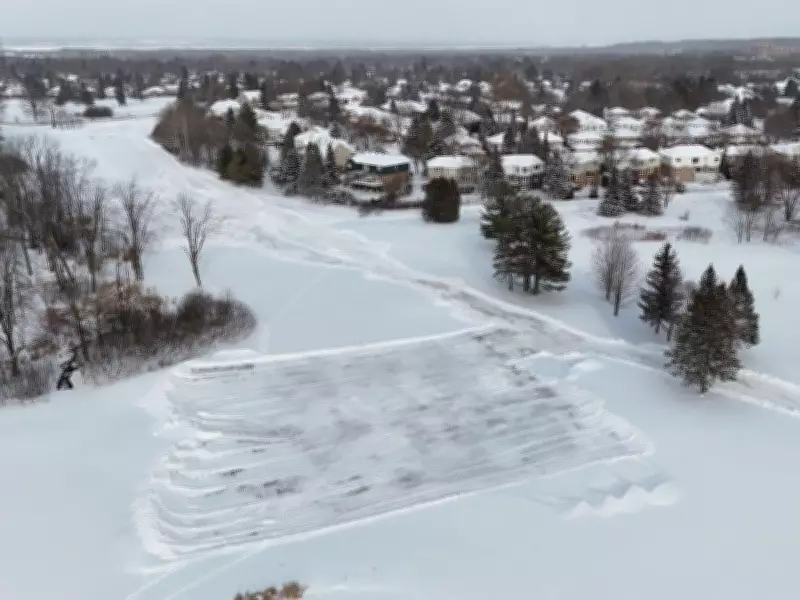
In a decisive move to safeguard urban green areas, Ottawa city council has voted overwhelmingly to utilize every available legal and planning tool to protect the Kanata Golf and Country Club greenspace from potential redevelopment. This action comes despite recent court rulings that have determined the property owner, ClubLink, is not legally obligated to maintain the land as a golf course in perpetuity.
Unanimous Support for Preservation Motion
The preservation initiative was spearheaded by Kanata North Councillor Cathy Curry and Stittsville Councillor Gower, who presented a comprehensive motion during a Wednesday council session. The motion received strong backing from 22 councillors and Mayor Mark Sutcliffe, demonstrating broad political consensus on the importance of maintaining this significant greenspace within the urban landscape.
The council's resolutions include a commitment to rigorously evaluate any development applications using Ottawa's Official Plan, secondary plans, and supporting planning evidence. This approach aims to ensure that public interest remains protected when considering any future proposals for the land, which has been targeted for redevelopment by its current owner.

Exploring Multiple Preservation Strategies
City staff have been directed to explore and report back on various lawful options for securing long-term protection of the land as open space. These potential strategies include:
- Acquiring the property through municipal purchase
- Applying conservation easements to restrict development
- Investigating other arrangements deemed to be in the city's best interests
Councillor Curry emphasized that the greenspace serves multiple critical functions beyond recreational use. "This land not only functions as a public park but also plays a vital role in environmental protection," she explained during council deliberations. "It helps prevent mercury from being released into the environment and serves as a natural flood control measure."
Historical Context and Legal Battles
The controversy surrounding the Kanata golf course dates back to 1981 when Campeau Corporation negotiated with the former City of Kanata to develop the property. A key condition of that agreement stipulated that at least 40 percent of the property would remain as open space in perpetuity. This "40-percent agreement" included provisions allowing the city to take over the land for recreational purposes if the owner ceased golf course operations.
Following Kanata's amalgamation into the City of Ottawa in 2001 and ClubLink's purchase of the property in 1997, tensions escalated when ClubLink announced redevelopment plans in 2018. The proposed development included approximately 1,500 housing units through partnerships with Richcraft Homes and Minto Communities, while setting aside 32 percent of the site for parks and open spaces.
The City of Ottawa has invested significant resources in opposing this development, spending over $1.325 million in legal battles. Recent court decisions have complicated preservation efforts, with an Ontario Superior Court ruling in 2023 determining that ClubLink shouldn't bear a perpetual obligation to operate a golf facility. This decision was upheld by the Court of Appeal for Ontario on January 21, 2025, which dismissed the city's appeal.
Current Legal Standing and Future Prospects
Despite these court rulings, Ottawa councillors remain determined to explore alternative avenues for preservation. The city holds several easements that were granted when the land was originally developed as a golf course, which could potentially restrict development without municipal consent.
"If you are considering not supporting this motion, then you are essentially endorsing development on what functions as public parks," Councillor Curry told her colleagues during the council debate. Her statement underscores the broader implications of this case for urban greenspace protection across Ottawa.

The council's motion represents a strategic shift from relying solely on historical agreements to employing contemporary planning tools and legal mechanisms. This approach acknowledges the changing legal landscape while maintaining a firm commitment to preserving valuable urban greenspace for environmental protection, recreational use, and community wellbeing.