Ottawa City Council Approves Long-Range Financial Plan to Address Infrastructure Gap
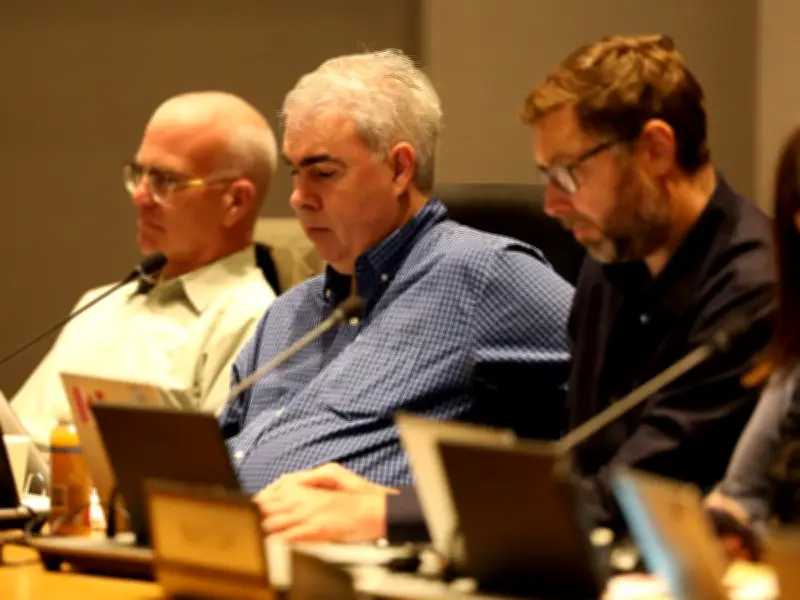
Ottawa city council has given the green light to a long-range financial plan aimed at addressing a multi-million-dollar gap in funding for infrastructure over the next decade. The plan, approved during a June 10 meeting, received a 17-5 vote from councillors.
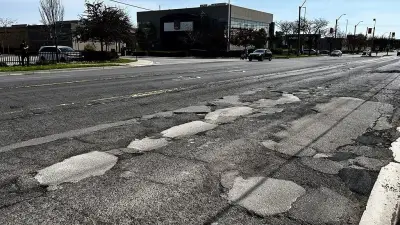
A treasury staff report highlighted an infrastructure funding gap of $229 million per year since 2017. Some councillors expressed appreciation for the “honesty and sobriety” of the report, while also raising concerns over the plan’s feasibility.
“We are where we are,” said Cyril Rogers, general manager and chief financial officer of the Finance and Corporate Services department. “And now we have a good plan to get out of where we’re at.”

The funding strategy aims to address the City of Ottawa’s financial backlog over time, according to Rogers. It would double the existing contribution from property tax increases from $6 million to $12 million in 2027 and 2028. Additionally, the city would allocate 0.15 per cent of growth in property-tax revenue to the capital growth budget envelope each year, estimated at $3.5 million.
The staff recommendation also includes a one-time “draw-down” of $32 million from the citywide capital reserve fund, and the city would take on $60 million in additional debt over the next two years.
“The key benefit of this plan is that we are showing the backlog today,” Rogers said. “In the past we didn’t do that. We are showing a path to resolve that backlog in the next 10 years.”
While the financial plan was applauded for its “honesty” in laying out the reality of the funding gap, “the devil’s in the details” for some mayoral and council candidates, who expressed concern over the many uncertainties associated with current economic complexities. Among the councillors who voted against the plan was 2026 mayoral candidate Jeff Leiper.
For Capital Coun. Shawn Menard, the long-range report represented an opportunity for the city to start reflecting on the decisions that led it to this point. “This is real and it has major impacts today and into the future,” Menard said at council.
The funding gap has grown for a variety of reasons, the report said, including rising construction costs since June 2017, when the last long-range financial plan was approved. “Policies, master plans and motions approved by council since 2017 that require replacing existing assets with enhanced versions that meet modern standards for climate-change accessibility and service delivery are now adding a premium cost in addition to the infrastructure needs identified in 2017,” the report read.
The report’s analysis of past spending between 2016 and 2025 revealed a delay in “growth spending,” particularly for road projects. Regulatory spending (96 per cent) and service enhancement spending (91 per cent) had the two highest percentages for funding, according to the report’s analysis. Funding for growth spending (58 per cent) lagged.