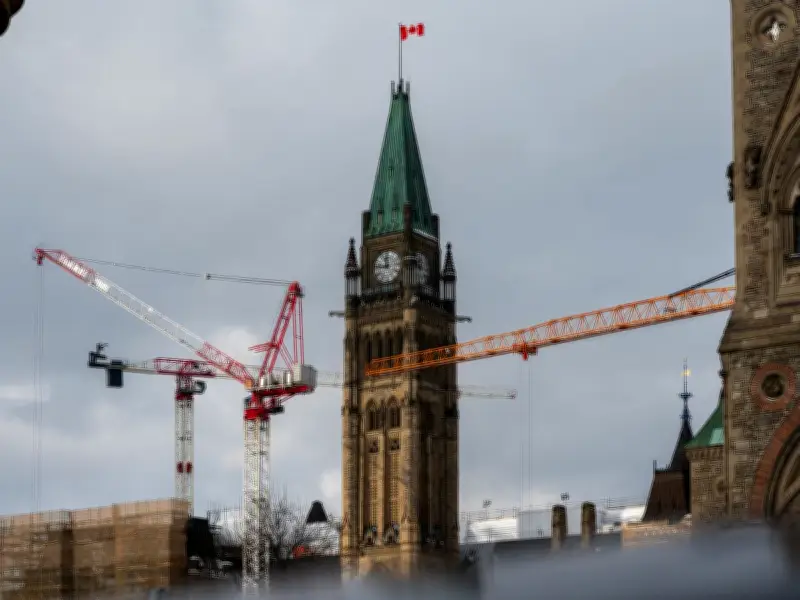
Last year, to spur investment in natural resources, mining and electricity, Parliament enacted the Building Canada Act (BCA) to “urgently advance projects throughout Canada.” Now, without actually having designated any projects under the BCA, Ottawa has announced further proposals aimed at “Getting Major Projects Built in Canada” and invited Canadians’ reactions to its short “discussion paper” within 30 days, ending Monday.
The current system clearly isn’t working, so these changes are well-meaning and necessary. But the latest proposals, though they would improve administration and approvals, don’t go far enough.
Unanswered Questions and Increased Uncertainty
The Build Canada Act and Major Projects Office leave fundamental questions around decision-making authority unanswered — increasing uncertainty rather than reducing it. Many reports, studies and indices have concluded that Canada’s reputation as a place to invest and build has deteriorated. Almost everyone agrees, industry and climate advocates included, that when project approvals become politicized and regulators are asked to weigh broad policy factors, confidence in the system declines.

But rather than create a clearer, more predictable approvals path, both the BCA and the discussion paper increase discretion and politicize regulation even further. Long-term infrastructure projects create “path dependency” for decades, so building them based on the political priorities of the day is not a sound way forward.
Cabinet Discretion and Politicization
The BCA gives the federal cabinet — in reality, the Prime Minister’s Office — virtually unconstrained discretion to decide whether a project should be characterized as a “national interest project” and ultimately approved. The latest proposals make almost no mention of these types of projects — which suggests the same approach is repeated for “major projects” in general.
Both the BCA and the latest reforms in effect authorize the government to determine the outcome of a regulatory hearing before it considers evidence. Regulators will go through the motions of review but presumably must produce a record that supports the political determination already made by cabinet.
Broad Policy Issues and Unclear Integration
Nor does the BCA or the discussion paper narrow the very wide range of policy issues, many bearing little relation to direct project risks, that regulators must consider. Hearings on things like the intersection of sex and gender or whether a project hinders or helps the government meet its environmental and climate change obligations can dissolve into a time-consuming debate among project proponents and intervenors. Project reviews are clearly necessary to address possible adverse effects on safety, the environmental impact, Indigenous communities and so on. But they should focus on these core risks and leave aside policy debates to be addressed in other fora.
It’s also not clear how the new approval rules would mesh with existing processes. The BCA sends mixed messages, requiring that all current regulatory measures be complied with but allowing cabinet to exempt some projects from all or some of these measures, at its discretion. The latest proposals suggest simultaneous impact assessment studies and authorizations, which could prove difficult.
Ultimately, while the intent to streamline development is commendable, the current approach risks compounding complexity and deterring investment rather than encouraging it. A more focused, predictable framework that separates project-specific risks from broader policy debates is essential for restoring confidence in Canada’s ability to build major projects.