Ottawa's 2026 Housing Landscape: Affordability and Flexibility Take Center Stage
As Ottawa moves into 2026, the city's housing market continues to be shaped by persistent affordability challenges and economic uncertainty. Local experts predict that these factors will drive a sustained focus on flexible living solutions, energy-efficient upgrades, and adaptable home designs that cater to evolving family needs.
Economic Realities Reshape Housing Decisions
The ongoing struggle for first-time buyers to enter the market, combined with seasoned homeowners' hesitation to move, has created a housing environment where flexibility has become essential. Both builders and increasingly research-savvy buyers are embracing this new reality, leading to innovative approaches throughout the industry.
Tami Eades, president of the Ottawa Real Estate Board (OREB), observes that "the industry has had to become more resourceful and customer-focused." She notes that builders and renovators are responding by sharpening pricing strategies, offering more customizable packages, and emphasizing energy-efficient upgrades to meet shifting consumer expectations.

Eades further explains that trades and suppliers are planning further ahead and managing timelines more cautiously after years of supply-chain unpredictability, creating a more stable foundation for housing projects throughout the region.
The Rise of Flexible and Multi-Generational Living
One of the most significant trends emerging in Ottawa's housing market is the growing demand for homes that can accommodate multiple generations or changing family dynamics. This shift reflects both economic pressures and changing lifestyle preferences among Canadian families.
Tobin Kardish of eQ Homes notes that "families are looking for homes that can do more, spaces that grow with them and reduce the need to move as life evolves." This has led to strong interest in layouts with built-in adaptability, including:
- Main-floor in-law suites
- Multi-purpose flex rooms
- Convertible lofts
- Full secondary suites
eQ Homes is among several production builders that have begun incorporating secondary dwelling units into their standard portfolios, responding directly to market demand for more versatile living arrangements.
Higher-Density Housing Solutions Gain Traction
The push toward more affordable housing solutions continues to influence development patterns across Ottawa. Vasi Jackson of HN Homes predicts sustained demand for higher-density formats that balance affordability with usable space.
These housing types include:
- Townhomes
- Urban towns
- Semi-detached properties
Jackson emphasizes that these options provide homeowners with the space they need while remaining within more accessible price points, addressing one of the market's most pressing concerns.
Resale Market Adapts to New Realities
Even in the resale market, flexible living spaces have become increasingly desirable. Eades notes that rising costs have made multi-generational households more common, leading to higher demand for properties with specific features:
- Basement suites
- Secondary dwelling units
- Layouts with main-floor bedrooms and full bathrooms
Realtor Jenniffer Alvarenga of GoodStory has been advising clients for over a decade to build with in-law suites or at least rough-ins for future ones, stating that this approach consistently pays off. "In the past, we'd highlight the potential for a secondary dwelling as a strong value-add," she explains. "Now, many buyers are actively asking for them."
Design Trends Complement Practical Considerations
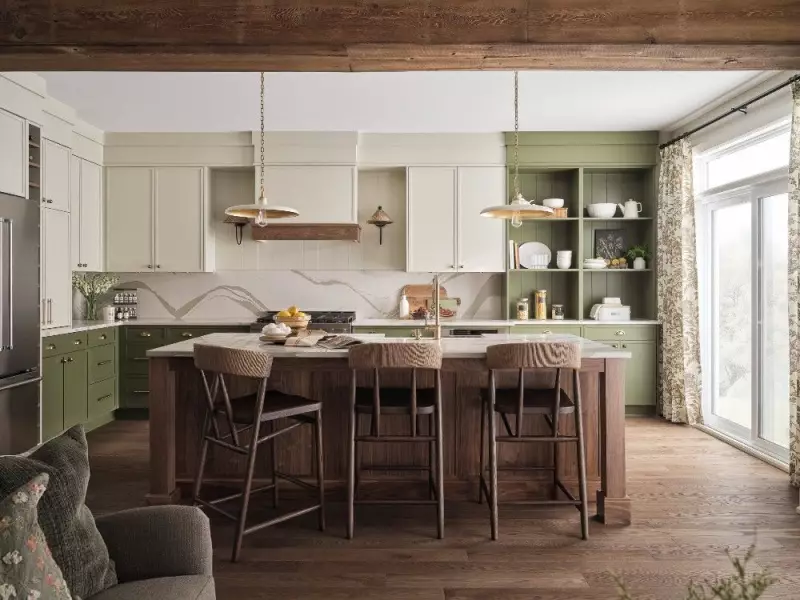
Beyond structural flexibility, Ottawa's 2026 housing trends also reflect evolving aesthetic preferences. Warm tones, texture, clean lines, and the color green continue to influence design choices, as demonstrated in award-winning projects throughout the region.
These design elements work in harmony with the practical considerations driving the market, creating homes that are both beautiful and functional. The combination of thoughtful design and adaptable layouts represents the future of housing in Canada's capital region.

As Ottawa navigates the challenges and opportunities of 2026, the housing market's emphasis on affordability, flexibility, and energy efficiency suggests a more sustainable and responsive approach to meeting the diverse needs of Canadian families in an evolving economic landscape.