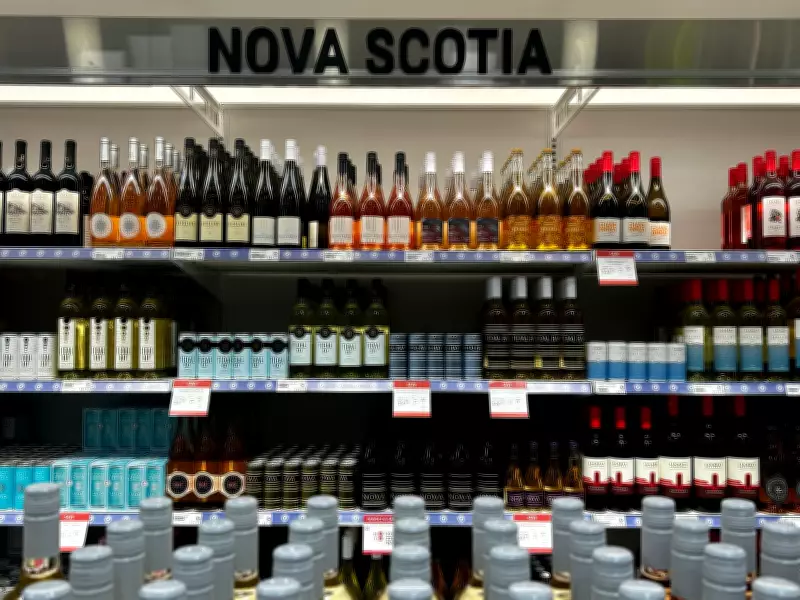
Historic Agreement Paves Way for Cross-Province Alcohol Purchases
In a landmark move that could reshape how Canadians access alcoholic beverages, the provinces of Ontario and Nova Scotia have signed a bilateral agreement to permit direct-to-consumer alcohol sales between their jurisdictions. This unprecedented arrangement, announced in early March 2026, represents a significant departure from traditional interprovincial trade barriers that have long governed alcohol distribution in Canada.
Breaking Down Provincial Barriers
The new agreement will enable residents of Ontario to purchase wine, beer, and spirits directly from Nova Scotia producers, while Nova Scotians will gain similar access to Ontario's diverse alcohol offerings. This direct-to-consumer model bypasses traditional provincial liquor board channels, potentially offering consumers greater selection and producers expanded market access.
This development comes after years of increasing pressure from both consumers and producers for more flexible interprovincial alcohol trade policies. The agreement specifically addresses long-standing complaints about limited access to regional specialties and craft products that were previously difficult to obtain across provincial lines.

Implementation and Regulatory Framework
While specific implementation details are still being finalized, the agreement establishes a framework for:
- Direct shipping from producers to consumers across provincial borders
- Age verification protocols to ensure responsible sales
- Tax collection mechanisms that respect both provinces' revenue systems
- Quality control standards maintained by producers
The timing of this announcement coincides with broader discussions about modernizing Canada's alcohol distribution systems. Both provinces have emphasized that the agreement maintains all existing public health and safety standards while creating new economic opportunities for local producers.
Economic Implications and Industry Response
Industry analysts predict this agreement could have substantial economic benefits for both provinces. Nova Scotia's wine industry, particularly known for its Tidal Bay appellation and sparkling wines, stands to gain access to Ontario's massive consumer market. Meanwhile, Ontario's craft breweries and distilleries will be able to reach Nova Scotia's consumers directly.
The agreement represents a significant step toward dismantling interprovincial trade barriers that have been criticized as outdated in an increasingly connected economy. While similar arrangements exist in limited forms between some provinces, the Ontario-Nova Scotia pact is notable for its comprehensive approach covering all major alcohol categories.
Consumer advocacy groups have welcomed the news, suggesting it could lead to lower prices through increased competition and reduced distribution costs. However, provincial liquor boards have expressed cautious optimism, noting they will continue to play important roles in regulation and retail operations within their respective provinces.
Future Prospects and National Implications
This bilateral agreement may serve as a template for similar arrangements between other provinces, potentially leading to a more integrated national market for alcohol sales. Observers note that successful implementation could pressure other provinces to reconsider their own interprovincial trade restrictions.
The deal also aligns with broader trends toward e-commerce and direct-to-consumer business models that have transformed retail sectors across the economy. As digital platforms make cross-province transactions increasingly seamless, regulatory frameworks are gradually adapting to new market realities.
Both provincial governments have committed to monitoring the agreement's implementation closely, with provisions for adjustments based on consumer feedback, industry input, and public health considerations. The success of this pioneering arrangement will likely influence future alcohol policy developments across Canada.