Ontario's Housing Market in Crisis: Urgent Calls for Price Reductions
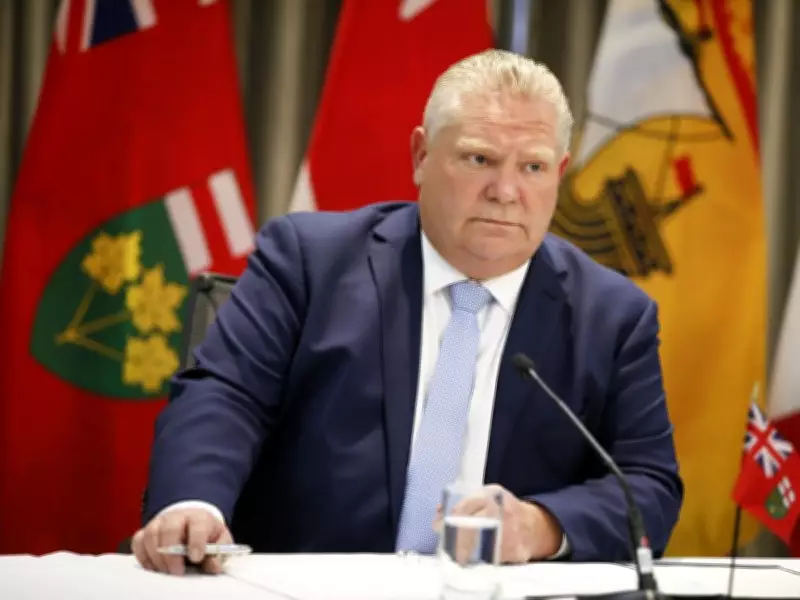
Ontario's homebuilding industry is confronting an unprecedented crisis, with new home sales plummeting to historic lows and unsold inventory accumulating rapidly. Premier Doug Ford has described the situation as a "massive inferno," signaling potential government intervention to address the escalating affordability issues that are crippling the market.
Record-Low Sales and Soaring Prices
The Greater Toronto Area (GTA) experienced its worst new home sales year on record in 2025, with only 5,300 new builds sold—the lowest total in 45 years of record keeping. December sales were particularly dismal, with just 240 new homes sold, representing an 82 percent decline from the 10-year average. This follows a similarly poor performance in 2024, compounding the market's challenges.
In Ottawa, the situation mirrors the GTA's struggles. December saw only 182 new homes sold, a nearly 24 percent decrease from the previous year. Overall, 2025 sales in Ottawa declined by 7.5 percent compared to 2024, with unsold inventory reaching 3,000 homes for the first time since 2019.

The core issue driving this market stagnation is affordability. The benchmark price for a new single-family home in the GTA stands at $1.4 million, while condominiums exceed $1 million. These prohibitive prices have created a glut of approximately 21,000 completed but unsold homes across Ontario, as potential buyers are priced out of the market.
Economic Consequences and Job Risks
The housing crisis extends beyond individual buyers to threaten Ontario's broader economy. Justin Sherwood, chief operating officer at the Building Industry and Land Development Association (BILD), warns that "new home sales are down well into the double digits across the province, putting 100,000 jobs at risk in Ontario alone." This alarming statistic underscores the urgent need for government action to prevent widespread economic fallout.
Ford's Response and Policy Shift
Premier Doug Ford, who has consistently emphasized housing construction, worker training, and job protection, appears poised to address the crisis. His characterization of the situation as an "inferno" suggests recognition of its severity. However, critics argue that the government's previous focus on accelerating municipal housing approvals to increase supply has become inadequate in the current affordability crisis.
The provincial government now faces pressure to shift its approach from supply-side solutions to direct price interventions. Industry leaders have been advocating for months that Ford must implement measures to reduce the cost burden on new home buyers.
Potential Solutions: Tax Cuts and Fee Reductions
Analysis reveals that taxes, fees, and levies constitute approximately 36 percent of the price of a new home in Ontario. These costs include land expenses, materials, construction, approval fees, sales taxes, development charges, and developer profits. To meaningfully lower prices, significant adjustments to these components are necessary.
Industry experts propose several immediate measures:
- Temporary Provincial Sales Tax Elimination: A two-year suspension of the 8 percent provincial sales tax on new homes could stimulate market activity, though it would cost the province an estimated $2 billion annually.
- Development Charge Reductions: Tackling development charges that can add six figures to home prices would directly address affordability barriers.
- Expanded Tax Relief: While federal and provincial governments have promised sales tax removal for first-time buyers, this represents only a small market segment. Broader tax cuts could have more substantial impact.
These proposed solutions aim to make new homes more accessible to a wider range of buyers, thereby reducing inventory and protecting jobs in the construction sector.

The Path Forward
As Ontario's housing crisis intensifies, Premier Ford faces mounting pressure to implement decisive policy changes. The combination of record-low sales, accumulating inventory, and threatened job losses creates an urgent need for government intervention. While the premier has acknowledged the problem, concrete action on tax and fee reductions will determine whether the government can effectively address what has become one of Ontario's most pressing economic challenges.
The coming months will reveal whether Ford's administration can translate recognition of the "inferno" into practical solutions that lower housing prices and restore stability to Ontario's homebuilding industry.