One Year Later: The Ripple Effects of Ontario's American Liquor Ban
Today marks the one-year anniversary of a significant policy shift in Ontario's beverage alcohol landscape. On March 4, 2025, Premier Doug Ford's government implemented a ban on American-produced spirits at Liquor Control Board of Ontario (LCBO) outlets across the province. This move, aimed at bolstering domestic producers, has generated a complex array of outcomes for Ontario's burgeoning craft distillery sector.
A Shelves Transformed
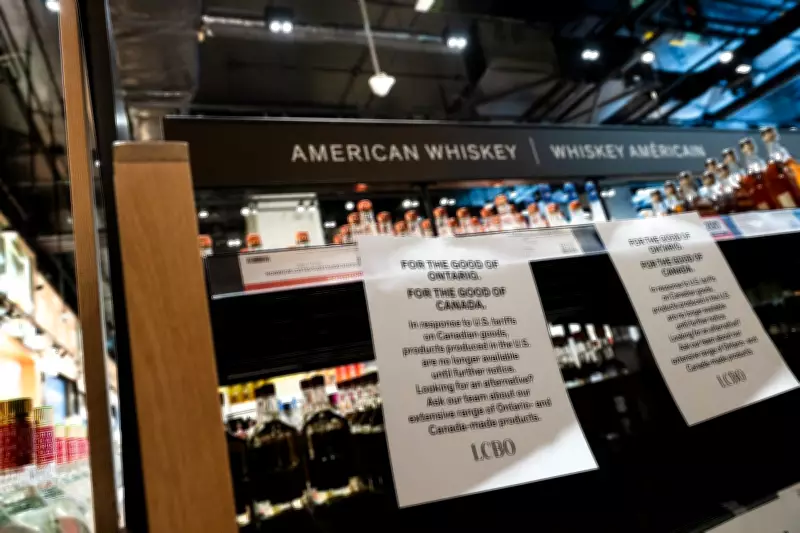
The visual change was immediate and stark. LCBO shelves, once stocked with a wide selection of American whiskeys, bourbons, and other spirits, saw those products swiftly removed. In their place, a spotlight turned toward Ontario-made gins, vodkas, whiskies, and specialty liqueurs. The policy was framed as a protective measure for local businesses, intended to redirect consumer spending toward homegrown brands during a period of economic uncertainty.
However, the impact on Ontario distilleries has been far from uniform. While some craft producers have experienced a welcome surge in sales and brand recognition, others report facing new hurdles. The sudden removal of a major category forced a rapid shift in consumer habits, a transition that has not been seamless for all.

Winners and Challenges in the Craft Sector
For established distilleries with strong LCBO listings and brand loyalty, the past year has often been positive. "We've seen a measurable increase in shelf space and consumer trial," reported one distiller from the Niagara region, who requested anonymity due to ongoing business negotiations. "When the familiar American options disappeared, many customers were willing to explore local alternatives they might have previously overlooked."
Conversely, smaller or newer operations have faced significant challenges. The ban did not automatically guarantee LCBO listings for all local producers, leaving many to rely on their own direct-to-consumer sales channels. Furthermore, some distillers note that a segment of dedicated American whiskey enthusiasts has simply shifted purchases to cross-border trips or specialty import stores, rather than converting to Ontario spirits.
The policy has also sparked debate about consumer choice and market protectionism. Critics argue the ban limits options and artificially props up local industries, while supporters contend it was a necessary step to ensure the survival and growth of Ontario's craft distilling scene against well-funded international competitors.
Looking Ahead: Adaptation and Market Evolution
As the industry reflects on this pivotal year, several trends have emerged:
- Product Innovation: Many distilleries have accelerated the development of new products, particularly in categories like rye whisky and botanical gins, to fill the gaps left by the ban.
- Marketing Shifts: There has been a heightened emphasis on "Buy Local" campaigns and educating consumers about Ontario's distilling heritage.
- Supply Chain Adjustments: Some producers have had to rapidly scale production, testing the limits of local grain sourcing and aging capacity.
The long-term effects of the ban remain to be fully seen. Industry analysts suggest that the true test will be whether the initial boost in visibility translates into lasting brand loyalty and sustainable growth for Ontario distilleries. The policy has undoubtedly reshaped the market, creating both opportunities and obstacles as the province's spirit makers navigate a permanently altered retail environment.