In Ontario's cottage market, buyers are moving with caution and discipline, favoring turnkey waterfront properties while fixer-uppers linger longer. According to Royal LePage, the weighted median price of a single-family home in the province's recreational market was virtually flat in 2025, rising just 0.4 percent year-over-year to $631,100. The median price is forecast to increase two percent in 2026. Inventory levels align with last year, but two-thirds of agents surveyed report that homes are taking longer to sell.
Jeffrey Braun, an agent at Corcoran Horizon Realty in Port Severn, offers a front-row view of how buyers and sellers navigate cottage country. He discusses the appeal of turnkey waterfront properties, the importance of pricing and presentation, and why cottage ownership remains less about speculation and more about enduring family lifestyle.
Market Balance Favors Buyers
Braun describes today's recreational market as balanced, with a slight edge to buyers. “The frenzy is behind us, replaced by a more thoughtful pace on both sides,” he says. “Buyers are taking their time, visiting properties multiple times, and considering long-term fit. Sellers must meet that mindset with realistic pricing and presentation.” He notes that the right property still commands strong interest, but value matters in a market that has normalized after peak years.

Shift Toward Full-Time Flexibility
Buyers increasingly seek cottages for flexible living, not just weekends. Many still work in cities but want the option for extended stays, remote work, or eventual full-time use. The pandemic normalized longer absences from offices, and that mindset persists. Cottages with winterization, reliable internet, and year-round access are in high demand.
Turnkey Properties Lead Sales
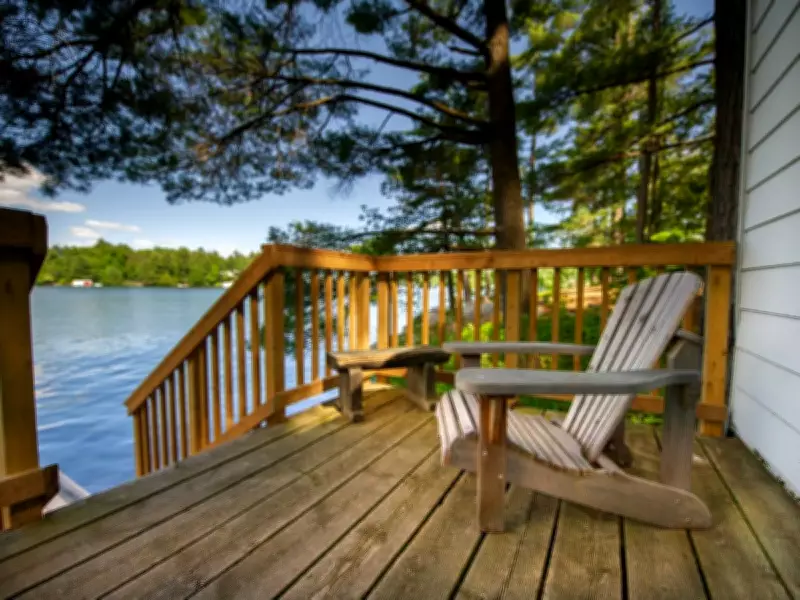
Properties that feel “easy” are moving fastest. “Turnkey waterfront cottages where you can arrive Friday and start enjoying immediately are still leading,” Braun says. Features like usable waterfront, good sun exposure, and privacy generate immediate interest. Conversely, fixer-uppers sit longer because buyers have more options and feel less pressure to compromise. However, project properties still attract buyers if the price reflects the work needed and potential is clear.