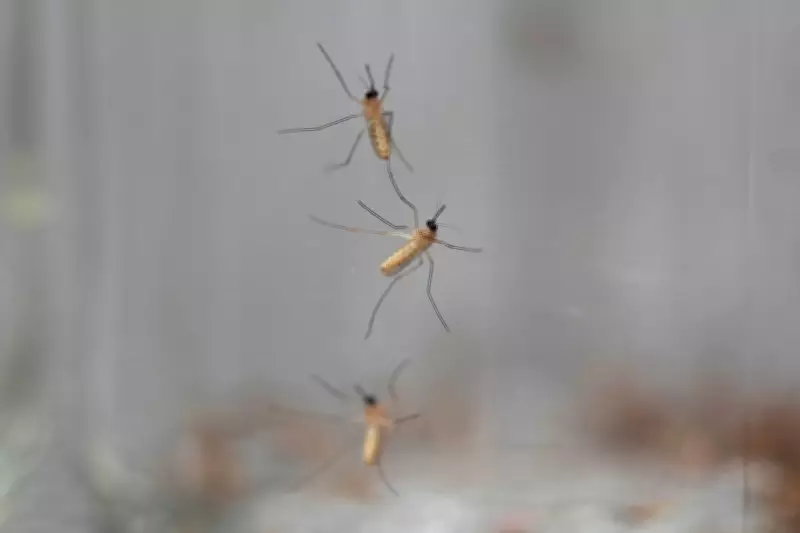
What If We Killed All Mosquitoes?
Mosquitoes are often considered one of the most annoying and dangerous insects on the planet, responsible for spreading diseases like malaria, dengue, and Zika. But what would happen if we wiped them out entirely? Scientists are divided on the potential consequences.
The Case for Eradication
Proponents argue that eliminating mosquitoes could save hundreds of thousands of lives each year. Mosquito-borne diseases affect millions globally, and eradication could reduce healthcare costs and suffering. With modern gene-editing tools like CRISPR, some researchers believe it may be possible to suppress mosquito populations or even drive them to extinction.
Ecological Concerns
However, ecologists warn that mosquitoes play a role in food chains. Their larvae are a food source for fish and other aquatic creatures, while adult mosquitoes are eaten by birds, bats, and spiders. Some species also pollinate plants. Removing them could have cascading effects on ecosystems, though many experts argue that other insects could fill these roles.

Disease Dynamics
While eradication would stop many diseases, it might also create a vacuum. Some scientists worry that other insects could evolve to become disease vectors. Additionally, the cost and logistics of a global eradication campaign would be immense, with uncertain outcomes.
Public Opinion
Surveys show that most people would support mosquito eradication in disease-ridden areas, but opposition exists among conservationists who value biodiversity. The debate highlights the complexity of interfering with nature on a large scale.
Ultimately, the question of whether to kill all mosquitoes remains hypothetical, but advances in biotechnology may soon make it a real possibility. Policymakers will need to weigh the benefits against the risks carefully.