A Nova Scotia couple has taken a significant step toward addressing the housing crisis by donating a substantial parcel of land for the creation of a new, purpose-built community. Amy Hendricks and Paul Davie have gifted 46 acres of their property near Antigonish for the development of an "intentional community" that will prioritize affordable and transitional housing.
A Vision for Community and Affordability
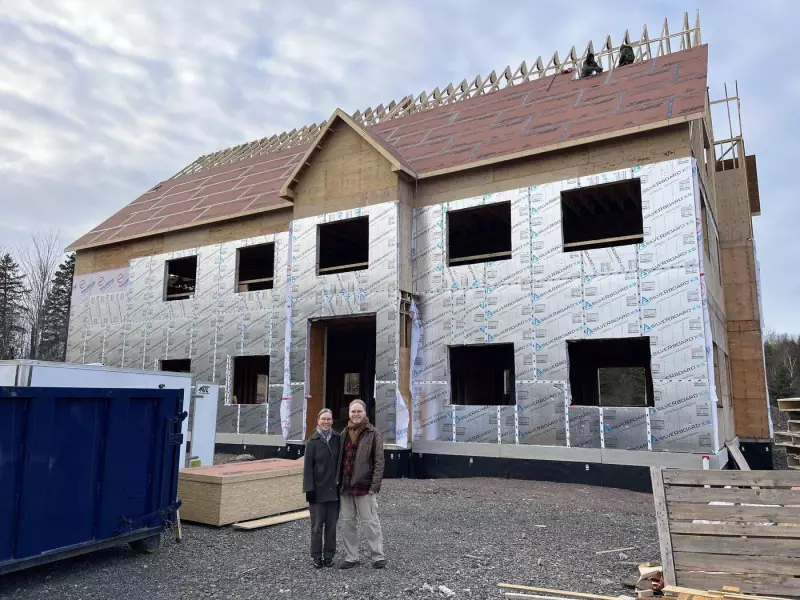
The donated land will become the site for the planned community of Sugarloaf. The vision extends beyond just housing, aiming to create a holistic neighborhood. Plans include the construction of a medical clinic, a facility highlighted in a recent handout photo featuring the donors. This move is not the couple's first act of generosity; they have a history of donating land to local non-profits specifically for affordable and transitional housing projects.
Building on a History of Generosity
Amy Hendricks and Paul Davie have established themselves as committed community benefactors in the Antigonish area. Their previous land donations have directly supported local organizations working to provide housing solutions for those in need. This latest and largest donation of 46 acres, announced in early January 2026, signifies a major escalation of their commitment, allowing for a master-planned community from the ground up.

The concept of an "intentional community" suggests a focus on shared values, resources, and social connection, integrated with the critical need for attainable housing. The inclusion of a medical clinic within the plans addresses another vital community need, particularly in rural regions, aiming to improve access to healthcare services for future residents.
A Model for Addressing Housing Challenges
This substantial land donation presents a tangible model for tackling housing affordability, a pressing issue across Nova Scotia and Canada. By providing the foundational resource—land—to non-profit entities, the couple is helping to remove a major financial barrier to development. The Sugarloaf community project, fueled by this philanthropy, has the potential to create a sustainable and supportive neighborhood that combines homes, health services, and a strong sense of community.
While specific timelines for construction were not detailed in the initial announcement, the donation of the 46-acre property marks the crucial first phase. The project will now depend on non-profit partners, community planning, and further funding to bring the vision of affordable homes and a new medical clinic in Sugarloaf to fruition.