

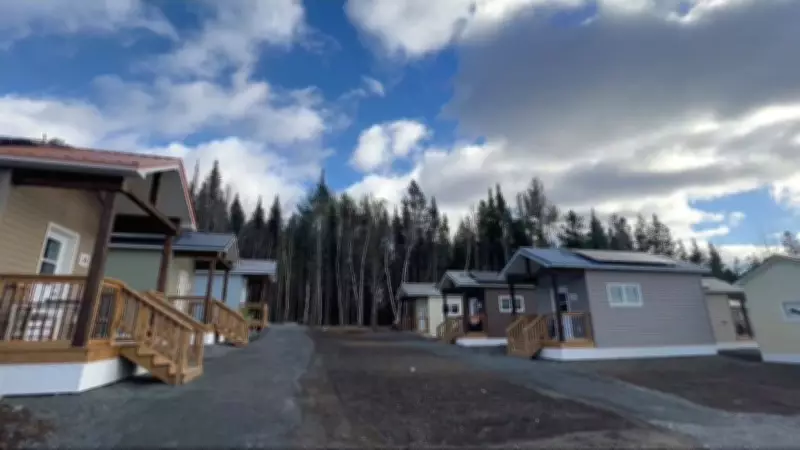
Northern Ontario Town Investigates Tiny Homes to Alleviate Housing Pressures
The Town of Blind River, situated in Northern Ontario, is actively considering the adoption of tiny homes as a potential remedy for its ongoing housing crisis. This initiative represents a forward-thinking approach to increasing the availability of affordable housing within the community, addressing a critical need that has been exacerbated by economic and demographic challenges in the region.
Exploring Alternative Housing Models
Municipal officials in Blind River are examining tiny homes as a viable option to create more accessible and cost-effective living spaces. These compact dwellings, typically ranging from 100 to 400 square feet, offer a minimalist lifestyle that can significantly reduce construction and maintenance expenses compared to traditional housing. By integrating such models, the town aims to diversify its housing stock and provide solutions for individuals and families struggling with high rental costs and limited availability.
The housing shortage in Northern Ontario has been a persistent issue, driven by factors such as population growth, limited infrastructure, and economic fluctuations. Blind River's exploration of tiny homes aligns with broader trends across Canada, where municipalities are increasingly turning to innovative designs to combat affordability challenges. This move could set a precedent for other small towns facing similar dilemmas, showcasing how localized strategies can make a tangible impact.

Potential Benefits and Community Impact
Implementing tiny homes in Blind River could yield several advantages, including:
- Enhanced affordability: Lower construction costs may translate to reduced rental or purchase prices, making housing more attainable for low-income residents.
- Sustainability: Tiny homes often incorporate eco-friendly features, such as energy-efficient systems and smaller carbon footprints, aligning with environmental goals.
- Flexibility: These units can be deployed in various settings, from standalone lots to clustered communities, allowing for adaptable urban planning.
Community engagement will be crucial as Blind River moves forward with this proposal. Public consultations and stakeholder feedback will help shape the implementation process, ensuring that the tiny homes initiative meets local needs while adhering to zoning regulations and building codes. The town's leadership emphasizes that this is part of a comprehensive strategy to foster inclusive growth and improve quality of life for all residents.
As Northern Ontario continues to grapple with housing instability, Blind River's proactive stance highlights the importance of creative problem-solving in municipal governance. By considering tiny homes, the town not only addresses immediate concerns but also contributes to a national conversation on reimagining housing solutions in an era of economic uncertainty.






