Montreal Residents Face Challenges Accessing Quality Grocery Stores
A concerning issue has emerged in Montreal, where many residents are struggling to find convenient access to quality grocery stores. This problem highlights significant gaps in the city's food distribution network and raises important questions about food security for vulnerable populations.
The Scope of the Problem
While Montreal is known for its vibrant food culture and numerous markets, not all neighborhoods benefit equally from this abundance. Certain areas of the city, particularly those with lower-income demographics or limited public transportation options, face substantial barriers when trying to purchase fresh, healthy food items. This disparity creates what urban planners refer to as "food deserts" - areas where residents must travel considerable distances to access nutritious food options.
The situation becomes particularly challenging for elderly residents, individuals with mobility issues, and families without reliable transportation. These groups often find themselves limited to convenience stores or smaller markets that may not offer the same quality or variety of fresh produce and other essential food items found in larger grocery establishments.

Impact on Community Health and Well-being
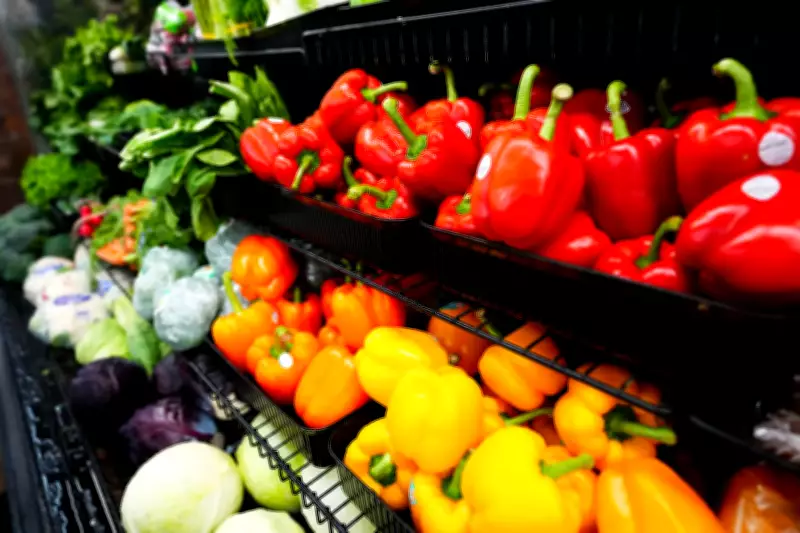
Limited access to quality grocery stores has far-reaching consequences for community health. When residents cannot easily obtain fresh fruits, vegetables, and other nutritious foods, they may resort to less healthy alternatives that are more readily available in their immediate vicinity. This can contribute to higher rates of diet-related health conditions, including obesity, diabetes, and cardiovascular problems.
Beyond physical health implications, the lack of accessible grocery options also affects the social and economic fabric of neighborhoods. Local businesses may struggle when residents must travel outside their community for basic necessities, and the overall quality of life can diminish when daily errands become logistical challenges.
Potential Solutions and Community Responses
Various approaches have been suggested to address this growing concern in Montreal. Community organizations have begun advocating for several potential solutions:
- Improved public transportation routes connecting underserved neighborhoods to existing grocery stores
- Incentives for grocery chains to establish locations in areas currently lacking quality food options
- Support for local farmers' markets and community-supported agriculture programs
- Urban planning policies that prioritize food access in neighborhood development plans
Some community groups have already taken matters into their own hands, organizing food co-ops, mobile markets, and delivery services specifically targeting areas with limited grocery access. These grassroots initiatives demonstrate the community's commitment to finding practical solutions to this pressing issue.
Looking Toward the Future
As Montreal continues to grow and evolve, addressing food access disparities will become increasingly important for municipal planners and policymakers. The city faces the challenge of balancing development with equitable resource distribution, ensuring that all residents can participate fully in Montreal's renowned food culture.
The conversation around grocery store access intersects with broader discussions about urban equity, public health, and sustainable community development. By acknowledging and addressing these gaps in food accessibility, Montreal has an opportunity to create a more inclusive and healthy urban environment for all its residents.