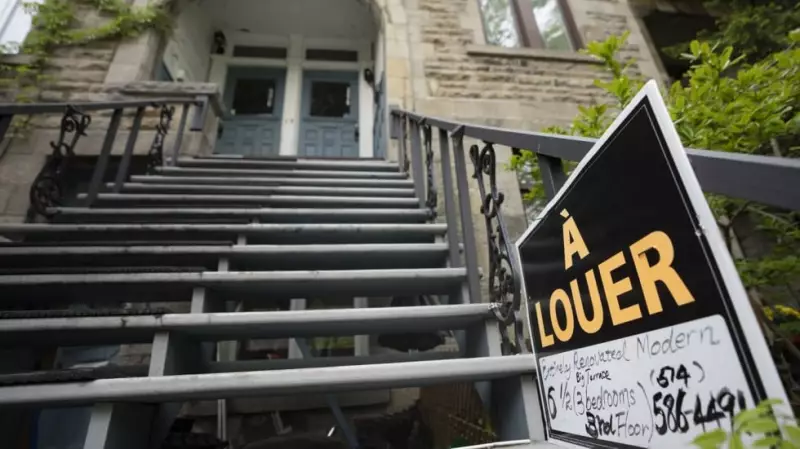
Housing advocates in Montreal are sounding the alarm about a potential surge in rental costs next year, warning that tenants could be forced into an 'inflationary spiral' as landlords pass the expense of building repairs and maintenance onto them.
The Core of the Crisis: Passing Costs to Tenants
The central issue, as highlighted by tenant rights groups, is the mechanism allowing property owners to transfer the financial burden of significant repairs and upgrades directly to their renters. This practice, while regulated, is expected to be invoked more frequently in the coming year as aging building stock requires more maintenance.
Advocates argue this creates a vicious cycle where necessary upkeep, instead of being absorbed as a cost of doing business, fuels consecutive annual rent increases that are significantly above guidelines. This comes at a time when the rental market in cities like Montreal is already under intense pressure, with vacancy rates remaining low and demand consistently high.

Context and Market Realities
The warning was issued on December 18, 2025, by advocates including those cited by journalist Erika Morris. The concern is not about standard annual increases but about additional, substantial hikes sanctioned for major renovations or vital repairs.
This situation is unfolding against a backdrop of broader economic pressures, including inflation and rising construction costs. Landlords contend that without the ability to recover some investment in property improvements, the quality and safety of housing stock could deteriorate. However, tenant groups counter that the system lacks sufficient safeguards to prevent overcharging or to ensure the work cited is absolutely necessary and priced fairly.
Potential Consequences for Montreal Renters
The implications for tenants could be severe. For many households, especially those with fixed or low incomes, a rent increase beyond the standard guideline can mean the difference between staying in their home and being displaced. Advocates fear a wave of 'renovictions'—where repairs are used as a pretext to dramatically raise rents and force out existing tenants.
This trend threatens to exacerbate the existing affordability crisis in Montreal. The city, known for historically being more affordable than Toronto or Vancouver, has seen its rental market tighten considerably. The potential for above-guideline increases in 2026 could accelerate the erosion of that relative affordability.
Tenant rights organizations are calling for tighter regulations and more transparent processes around rent increases for repairs. They are urging provincial and municipal governments to scrutinize applications for such hikes more rigorously and to provide stronger legal support for tenants who wish to challenge them.
The coming year will be a critical test for Quebec's rental housing framework, as it balances the legitimate needs of property maintenance with the fundamental right to housing stability and affordability for Montreal's tenant population.