Montreal Unveils Second Modular Housing Complex for Unhoused Residents
The city of Montreal has officially opened its second modular housing complex, a project designed to provide temporary shelter and stability for individuals experiencing homelessness. Located in the Ahuntsic-Cartierville borough, this initiative marks a continued effort to address the city's housing crisis with innovative solutions.
New Complex Offers Essential Amenities and Support
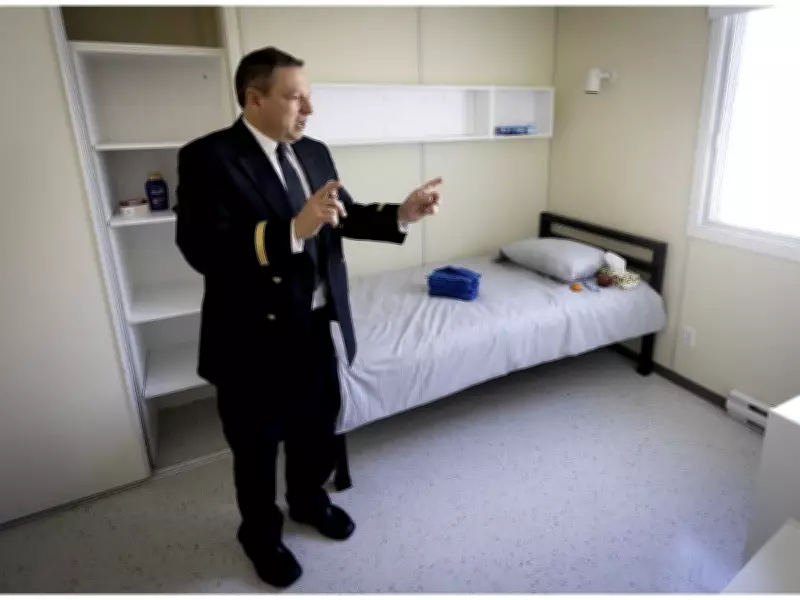
Operating from repurposed modular units previously used by Hydro-Québec employees, the new complex features 27 rooms, including three designated for couples. The facility is equipped with a range of amenities to support residents during their transition period.
- A communal dining room and kitchen for shared meals
- A small television room for relaxation and socializing
- On-site laundry facilities with washing machines
- Communal bathrooms maintained for hygiene and accessibility
Each room was prepared with welcome signs, snacks, toothbrushes, and soap ahead of the first tenants' scheduled move-in this week. The community organization RAP Jeunesse is overseeing the project, having selected residents through an interview process to ensure appropriate placement.

24/7 Support Services and Transitional Housing Model
Staff will be available around the clock to provide essential services, including meal preparation, counseling, and assistance in securing permanent housing. According to Paméla Simard, director of housing services at RAP Jeunesse, this transitional model allows individuals recently off the streets to "pause and reflect" before planning their next steps.
Tenants are expected to stay for several months while they stabilize and work with intervention workers to develop long-term housing solutions. The complex is situated on Louvain Street near Saint-Laurent Boulevard, surrounded primarily by commercial buildings, including a microbrewery and coffee roaster.
Mayor Martinez Ferrada Advocates for Cost-Effective Solutions
Mayor Soraya Martinez Ferrada, who had previously criticized modular housing as undignified, acknowledged the immediate need for such facilities given Montreal's harsh winter conditions. However, she emphasized the necessity of rethinking the model to improve efficiency and reduce costs.
"If we want to do more with the financial resources we have, we need to rethink the model," Martinez Ferrada stated. "People on the street will take it because it's what's available right now. But is it what they want? That's what we need to ask ourselves."
Project Costs and Future Expansion Plans
The total project cost amounted to approximately $157,000 per room, with funding contributions from multiple sources:
- The Quebec government provided $1.7 million in financial support
- The city of Montreal invested $2.5 million primarily for purchasing units and preparing the site
- The provincial health department allocated $742,000 to RAP Jeunesse for operational oversight
This complex follows a similar facility opened at the former Hippodrome site in Côte-des-Neiges in September, with a third planned for Outremont, though no opening date has been confirmed. The city is examining modular housing projects in Gatineau and Halifax to identify potential cost-saving measures for future developments.
Addressing Complex Homelessness with Multiple Solutions
Simard highlighted that modular housing represents just one component of a broader strategy needed to tackle homelessness effectively. "Homelessness is a really complex situation and we need complex solutions," she explained. "This is one of the solutions, but we need more."
The city and RAP Jeunesse have engaged with local residents and businesses to address potential cohabitation concerns, implementing measures to foster positive community integration. As Montreal continues to grapple with housing affordability and homelessness, these modular complexes serve as a temporary yet crucial step toward more permanent resolutions.