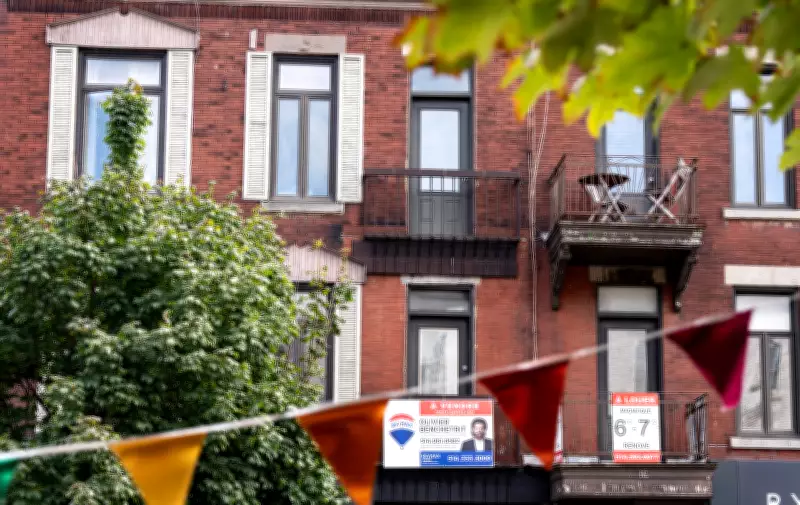
Access to housing is deteriorating more rapidly in the Montreal area compared to other major Canadian cities, according to recent data. The findings underscore a deepening affordability crisis in Quebec's largest metropolitan region.
Declining Affordability Trends
The report indicates that Montreal's housing market is experiencing a sharper decline in affordability than cities such as Toronto and Vancouver. Factors contributing to this trend include rising home prices, stagnant incomes, and increased demand for rental units.
Impact on Residents
Local residents are feeling the strain, with many struggling to find affordable options. The situation is particularly acute for low- and middle-income households, who are being priced out of neighborhoods that were once accessible.

- Rental vacancy rates have dropped to historic lows.
- Average rents have surged by double digits in some areas.
- Homeownership is becoming increasingly out of reach for first-time buyers.
Policy Responses
Municipal and provincial officials are under pressure to address the crisis. Proposed measures include increased funding for affordable housing projects, rent control reforms, and incentives for developers to build more rental units.
However, critics argue that current efforts are insufficient to reverse the trend. They call for more aggressive action, including zoning changes and targeted investments in social housing.
Broader Implications
The housing affordability issue in Montreal mirrors challenges seen across Canada, but the speed of decline sets it apart. Experts warn that without significant intervention, the situation could worsen, affecting economic growth and social stability.