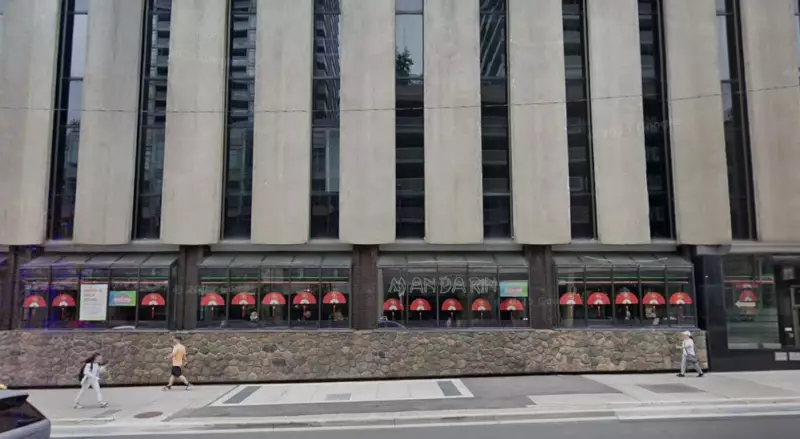
After serving the community for more than three decades, a staple of Toronto's Midtown dining scene is preparing to serve its final meal. The Mandarin Restaurant located in the Yonge-Eglinton neighbourhood will close permanently, ending a 35-year chapter that has fed and fostered memories for countless residents.
An End of an Era for a Neighbourhood Fixture
The closure of the Mandarin, confirmed in early January 2026, signifies more than just a business shutting down. For many Torontonians, it represents the loss of a familiar gathering place. The restaurant, known for its consistent presence and reliable fare, became a backdrop for family celebrations, casual dinners, and first dates over its long history. Its location at the bustling Yonge and Eglinton intersection made it a convenient and recognizable landmark for generations.
While the specific reasons for the closure were not detailed in the initial announcement, the news has sparked a wave of nostalgia and reflection among patrons. The restaurant's longevity is a testament to its role in the fabric of the local community, surviving through significant changes in the city's culinary and urban landscape.

The Impact on the Local Community and Dining Scene
The shuttering of such an established business highlights the ongoing evolution of Toronto's neighbourhoods, particularly in high-density areas like Yonge-Eglinton. Independent and long-running restaurants often face immense pressure from rising commercial rents, shifting consumer tastes, and increased competition from chain establishments and new culinary trends.
For long-time residents, the Mandarin's closure feels personal. It joins a growing list of iconic local spots that have vanished, altering the character and memory map of the city. The restaurant's 35-year run spanned a period of massive growth and transformation for Midtown Toronto, making it a constant through decades of change.
Memories as a Lasting Legacy
As the physical doors prepare to close, the emotional connection to the space remains. Former customers and staff are likely to carry forward the stories and experiences forged within its walls. In the absence of a physical location, the restaurant's legacy will indeed, as noted, "live on in the memories of many."
The closure serves as a reminder of the fragile ecosystem of local businesses that define a city's neighbourhoods. It prompts support for remaining independent establishments and an appreciation for the familiar places that contribute to a community's unique identity. The final day of operation for the Midtown Mandarin marks not just an ending, but a moment to acknowledge the role these spaces play in our collective urban experience.