London Council Greenlights Controversial High-Rise Development
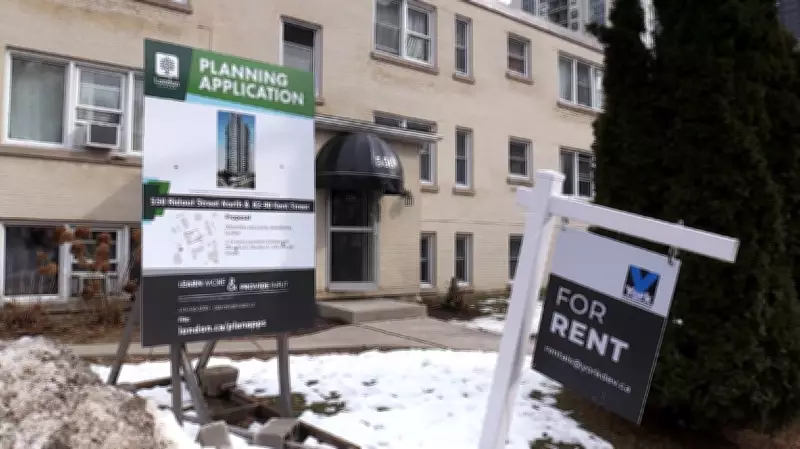
In a contentious decision that has sparked debate over housing security and municipal oversight, London city councillors have approved a 30-storey residential tower in the north Talbot neighborhood. The approval comes despite council members openly acknowledging their inability to legally enforce the developer's promised commitments to tenants who will be displaced by the construction project.
Approval Amid Enforcement Limitations
The council's vote to move forward with the substantial high-rise development occurred even as officials confirmed they lack the regulatory mechanisms to guarantee that the building company will follow through on its stated obligations to current residents. This revelation has raised significant questions about the protection of vulnerable tenants during major urban redevelopment projects.
The developer had made specific promises regarding relocation assistance and compensation for those forced to move, but council documents indicate these commitments exist outside enforceable legal agreements. Municipal staff noted that while they can encourage compliance through ongoing dialogue, they possess no formal tools to mandate adherence to these tenant protection measures.

Community Concerns and Housing Implications
Housing advocates have expressed alarm at this regulatory gap, warning that without binding agreements, displaced residents face uncertain futures. "When developers make promises to vulnerable tenants, those promises need to be more than just words," commented a local housing rights organizer who spoke on condition of anonymity. "The council's admission that they can't enforce these commitments creates a dangerous precedent for future developments."
The north Talbot neighborhood has experienced increasing development pressure in recent years, with several high-density projects proposed or underway. Community members have voiced concerns about gentrification pressures and the potential displacement of long-term residents who may struggle to find comparable affordable housing options in the rapidly changing area.
Broader Municipal Development Context
This approval occurs within a broader context of London's ongoing urban intensification efforts, as the city seeks to accommodate population growth while managing housing affordability challenges. The 30-storey tower represents one of the taller structures approved for the area, signaling a shift toward vertical development in previously lower-density neighborhoods.
Council members supporting the project emphasized the need for additional housing supply and the economic benefits of development, while acknowledging the tenant protection concerns as an area requiring future policy attention. Several councillors noted they would pursue amendments to municipal bylaws to address similar situations in future developments.
The decision highlights the complex balance municipalities must strike between encouraging development, increasing housing stock, and protecting existing residents during urban transformation. As London continues to grow, this case may prompt reevaluation of how tenant protections are incorporated into the approval process for major residential projects.