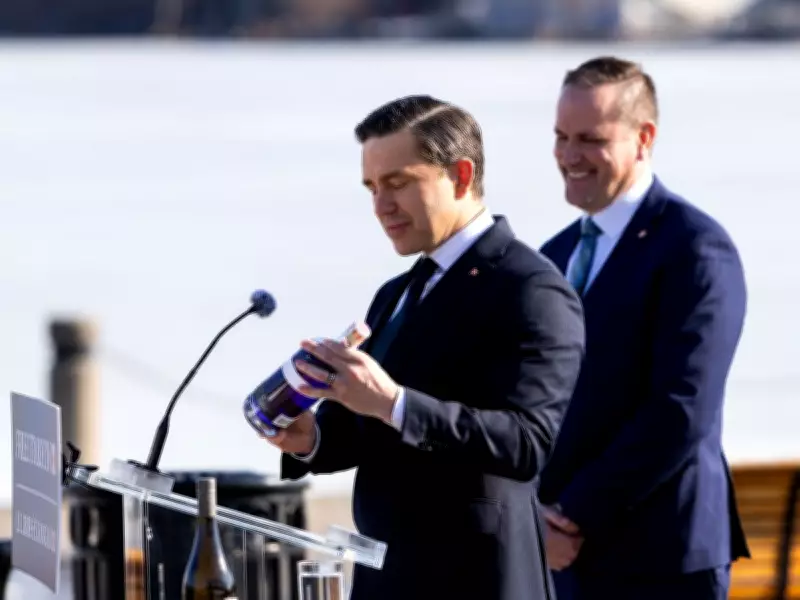
In a rare show of cross-party agreement, Liberal Interprovincial Trade Minister Dominic LeBlanc has raised a glass to a Conservative proposal that would allow Canada Post to ship alcohol directly to consumers across provincial lines. The move aims to dismantle long-standing barriers that have hindered Canadian beer, spirit, and wine producers from reaching a national market.
Conservative Bill Targets Interprovincial Alcohol Trade
On Monday, Conservative MP Dan Albas tabled a private member’s bill designed to amend the Canada Post Act, which currently prohibits the Crown Corporation from transporting "intoxicating beverages" across most provincial boundaries unless shipments are between businesses. This restriction forces individuals to rely on private shippers, often at higher costs, if provincial laws even permit such transactions at all.
Albas, representing the Okanagan Lake West—South Kelowna riding, emphasized the absurdity of the situation, noting that producers in his region find it easier to ship wine to London, England, than to London, Ontario. "We want a one Canadian economy, where a craft brewer in the maritimes, a distiller in Ontario or a vintner in the Okanagan can sell to any adult Canadian in the country," he stated during a Tuesday question period.

Liberals Cheer the Idea
Instead of dismissing the proposal, LeBlanc warmly endorsed it, calling Albas's idea "a good one." He acknowledged that most remaining interprovincial alcohol trade barriers stem from provincial regulations, not federal ones, and pledged to advocate for change at an upcoming meeting with provincial ministers on March 30. "I will happily raise it with provincial ministers and do what’s necessary for the Government of Canada to be a partner," LeBlanc declared.
The minister highlighted a recent agreement between Ontario and Nova Scotia that allows direct-to-consumer sales between their alcohol producers and residents as a positive step forward. This aligns with a broader memorandum of understanding signed last year by all 10 provinces and Yukon, committing to establish direct-to-consumer alcohol sale deals by May 2026.
Broader Implications for Internal Trade
Albas argued that the persistence of these booze barriers contradicts Prime Minister Mark Carney's promise to eliminate all internal trade barriers by July 1, 2025. The Conservative bill seeks to incentivize provinces to cooperate with the federal government, potentially streamlining trade and supporting local producers.
If passed, the legislation could transform the alcohol industry by enabling producers to ship products via Canada Post to any adult in the country, fostering economic growth and consumer choice. This development underscores a growing push for interprovincial trade liberalization, with both parties finding common ground on an issue that impacts businesses and consumers alike.