Nearly a year after being abruptly evacuated from a hazardous apartment building in Montreal's Lachine borough, two former tenants are slowly rebuilding their lives in municipal housing, their stories underscoring the vulnerabilities of low-income renters in a tight private market.
From Neglect to Emergency Evacuation
The crisis at the 47-unit building on Rue Notre-Dame unfolded over months of severe neglect. Tenants, including Rashid Gizitdinov and Vera Nikolajew, endured a winter without heat or hot water after the building's landlord, Thi Lan Nguyen, and her son, property manager Marcel Nguyen, failed to repair a broken boiler system. The pair became unreachable, leaving the building to deteriorate further.
The situation escalated from dire to dangerous by February 2025. Montreal firefighters declared the structure an imminent fire risk. This assessment was partly based on scorch marks from space heaters tenants had used for weeks to survive the cold. The fire department ordered an immediate evacuation.

Picking Up the Pieces in New Homes
With help from the Red Cross and the Office municipal d'habitation de Montréal (OMHM), the displaced residents were temporarily housed in hotels before being relocated. For Rashid Gizitdinov, the move to a spacious OMHM one-bedroom apartment has been a profound change.
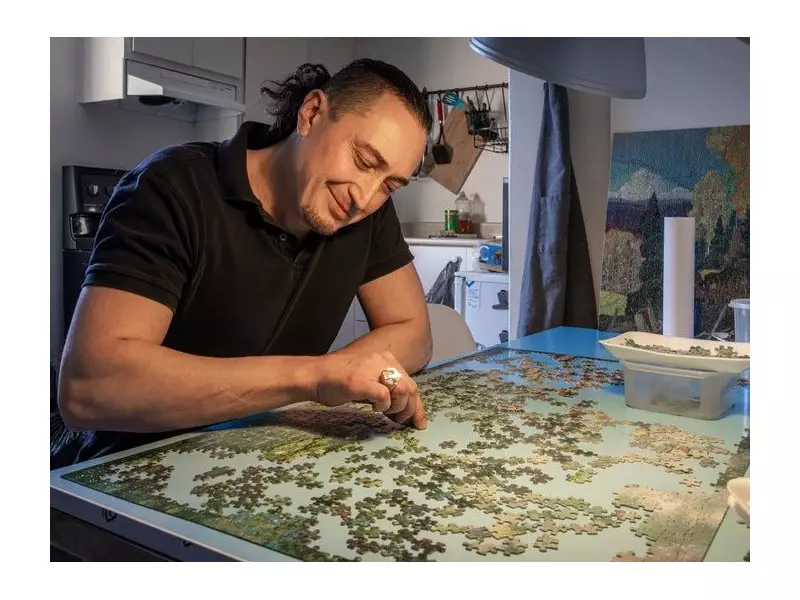
"It's more than enough for one person," Gizitdinov said, noting the stark contrast to his old infested apartment. He now enjoys simple pleasures like brewing tea and working on jigsaw puzzles in a safe, well-maintained home. He is unequivocal in his assessment: "Government (housing) is better" than the private market, where he encountered high prices for units in poor condition.
For Vera Nikolajew, the journey was more traumatic. She escaped the mould-filled building with her cat, Cuddles, who died days later. Nikolajew believes the mould contributed to the death of her eight-year-old pet. After months in transitional housing, she now lives in an OMHM studio in Lachine.
"It's been pretty hard these past couple months. I just kinda went into a seclusion," she admitted. "It took me a good four or five months to get out of that trauma." While her new apartment is smaller, she pays a subsidized rent of $412 per month—a significant drop from the $540 she paid previously—and feels secure knowing repairs are handled promptly.
A Systemic Problem with Few Alternatives
The plight of these tenants points to a larger crisis in affordable housing. The Lachine borough confirmed that only seven of the 27 evacuated households secured spots in social housing, bypassing a massive waiting list. At the end of 2024, 14,314 Montreal households were waiting for one of 20,810 low-rental units managed by the OMHM.
Véronique Laflamme, spokesperson for housing rights group FRAPRU, explained the gravity of the situation. "The private market has a quasi-monopoly on housing," she said. With no new low-rental units under construction in Quebec and soaring housing prices, safe, affordable alternatives are desperately needed. "Needs are growing, tenants are becoming poorer," Laflamme stated.
The city attempted to contact the building's owners through bailiffs but was unsuccessful. Marcel Nguyen has not responded to requests for comment from media. The boarded-up building stands as a stark reminder of the consequences of landlord neglect.
For Nikolajew, moving forward means slowly re-engaging with the world. "I'm slowly coming out of my cocoon," she said. "I plan to join the gym and slowly come back into this real world." Both she and Gizitdinov are piecing together not just puzzles and new furniture, but a renewed sense of stability after a year of profound disruption.