Kanata's Beaverbrook Neighbourhood Poised for Heritage Designation as 1960s 'Satellite City'
The Beaverbrook neighbourhood in Kanata, a pioneering community designed in the 1960s as a self-contained "satellite city," is now being assessed for potential heritage conservation district status by the City of Ottawa. This move could preserve the unique mid-century architectural vision that predates today's popular 15-minute city concept.
The Visionary Design of a Community
When prolific Ottawa developer Bill Teron broke ground on what would become Kanata in the 1960s, he envisioned a community from the perspective of a child riding a tricycle. Teron rejected the notion of creating a mere "bedroom community" and instead designed self-contained neighbourhoods centered around schools and natural spaces.
Clusters of homes featuring similar mid-century architectural styles were bounded by natural green space with pathways and local roads specifically designed to eliminate through traffic. This innovative layout allowed children to walk or bike to school without crossing any major streets, creating what residents now recognize as an early version of the 15-minute community concept.

Beaverbrook: The First Planned Neighbourhood
Beaverbrook was the first of Teron's planned neighbourhoods to be constructed, with 800 homes built on 5.5 hectares of what Teron once described as "rugged romantic" land on the western edge of Ottawa's Greenbelt. The community was designed to provide not just housing but also shopping, medical and civic services, recreation facilities, and even employment opportunities through an adjacent technology park.
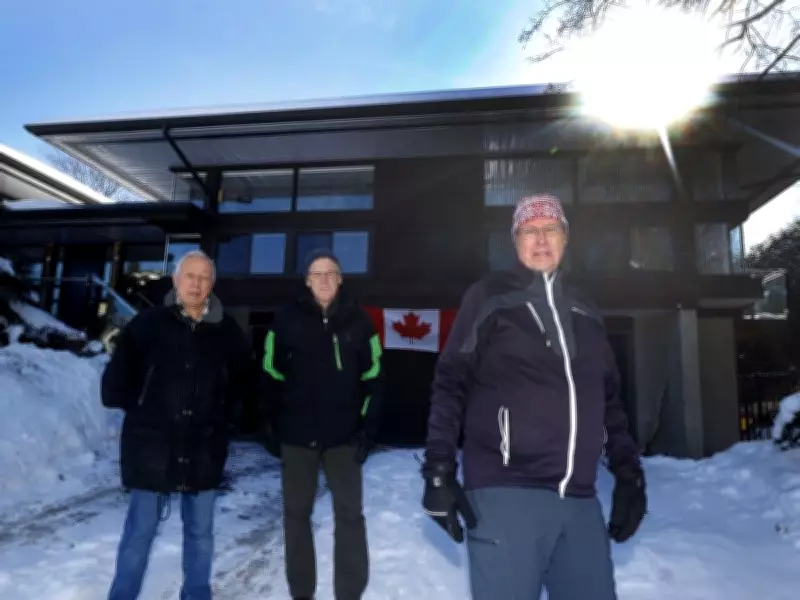
"He didn't know it at the time, but it's now called a 15-minute community," said Neil Thomson, president of the Kanata Beaverbrook Community Association. Thomson is one of the chief proponents behind the long-standing lobby for heritage designation.
Heritage Assessment Underway
The City of Ottawa's heritage planning staff are currently undertaking a feasibility assessment and reported in January that Beaverbrook shows "high potential" to meet at least four of Ontario's nine criteria for designation under the Ontario Heritage Act. This assessment follows years of community advocacy for preservation.
Heritage planning staff sent out a survey to residents and received 232 responses, with approximately 80 percent expressing support for the designation. Some respondents questioned what restrictions might apply under such a designation, as homeowners within heritage conservation districts typically require city approval before making alterations like constructing additions, restoring porches, or undertaking partial demolitions.
Community Concerns About Development
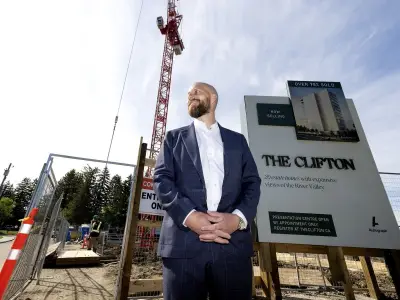
The push for heritage designation comes amid ongoing development pressures in the area. According to Thomson, the community has seen development applications since 2000, including one proposal for a 37-storey tower at the corner of the parkway and Teron Road that generated significant opposition.
"We raised $40,000, hired ourselves a planner and got that reduced to a seven-storey apartment block that only fills half the property," Thomson explained. "The community is very sensitive to development applications, and we've had eight or nine different properties with fairly substantial apartment buildings going up. When people talk about planning, you can get some pretty strong pushback reactions to changes."
The potential heritage designation represents an important step in preserving Beaverbrook's unique character and architectural legacy while addressing community concerns about future development in this historically significant Ottawa neighbourhood.