Jim Pattison Developments Halts Virginia Warehouse Sale Amid ICE Controversy
Jim Pattison Developments, a company owned by British Columbia billionaire Jim Pattison, has announced it will not proceed with the sale of an industrial building in Ashland, Virginia, to the U.S. government. The decision comes after the company learned the facility could be used by Immigration and Customs Enforcement (ICE) as a detention center.
Company Statement and Initial Agreement
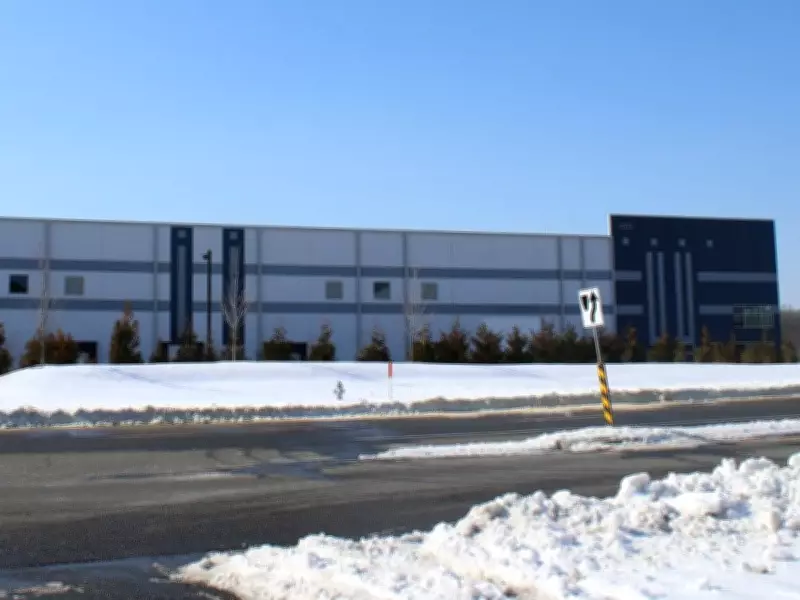
In an emailed statement released on Friday, the company confirmed that the transaction to sell the industrial building at 11525 Lakeridge Parkway in Ashland will not be moving forward. Jim Pattison Developments declined to provide further details on the reasons behind this reversal. However, the company had previously stated that when it initially agreed to sell the property to a U.S. government contractor, it was unaware of the potential use as an ICE detention facility.
The warehouse, completed in 2024 for company operations, was listed for sale or lease after Jim Pattison Developments no longer needed it. The company accepted an offer from a government contractor, but the deal faced immediate public scrutiny.

Public Backlash and Political Condemnation
The potential sale sparked significant controversy, leading to calls for a boycott of Jim Pattison Developments and condemnation from several Members of the Legislative Assembly (MLAs). The backlash intensified due to recent fatal shootings involving ICE agents in Minnesota, which have fueled protests against immigration enforcement policies.
In Minnesota, federal agents shot and killed two American citizens, Renee Good on January 7 and Alex Pretti on a subsequent Saturday, during protests against former President Donald Trump's immigration crackdown. These incidents have heightened tensions around ICE operations and influenced public opinion on the Virginia warehouse sale.
Company Response and Immigration Policy Context
Earlier this week, Jim Pattison Developments addressed the growing criticism, acknowledging that the conversation around immigration policy and enforcement is particularly heated and has become much more so over the past few weeks. The company's decision to cancel the sale reflects its sensitivity to these public concerns and the evolving political climate.
The U.S. Department of Homeland Security, which oversees ICE, had planned to use the Virginia warehouse as a holding and processing facility. This intended use directly contradicts the company's initial understanding of the transaction, prompting the withdrawal from the deal.
Implications for Corporate-Government Transactions
This case highlights the complexities and ethical considerations involved in corporate sales to government entities, especially when related to contentious issues like immigration enforcement. Jim Pattison Developments' move underscores how public pressure and social responsibility can influence business decisions, even in cross-border transactions.
The cancellation may set a precedent for other companies considering similar deals with government agencies involved in polarizing activities. It also raises questions about due diligence in property sales and the transparency of intended uses by buyers.
As the situation develops, stakeholders will be watching for further reactions from both the U.S. government and Canadian political figures, as well as any potential impact on Jim Pattison Developments' operations and reputation.