Canada's Housing Crisis Deepens with Plummeting Sales
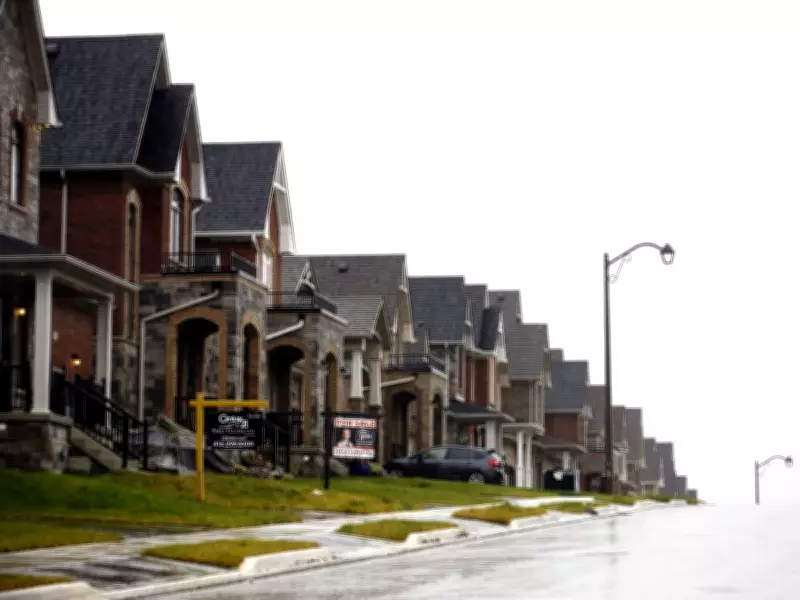
Once characterized primarily by a severe shortage of supply, Canada's housing market now confronts a dual challenge as sales volumes have sharply declined across the nation. This downturn is particularly pronounced in major urban centers, with the Greater Toronto Area experiencing some of the most significant drops. According to recent data from the Toronto Regional Real Estate Board, home sales in the GTA decreased by 11.2 percent in 2025, reflecting a broader national trend.
Alarming Sales Statistics Reveal Market Struggles
The sales figures paint a concerning picture for the housing sector. Single-family home sales have plummeted by 63 percent compared to the ten-year average, while condo sales have seen an even more dramatic decline of 89 percent. In January alone, year-over-year home sales fell by 19.3 percent, indicating that the market's challenges are intensifying rather than abating.
This decline in sales is not attributable to Canadians abandoning the dream of homeownership. Instead, it stems from diminished consumer confidence fueled by ongoing trade tensions and a softening economic landscape. Potential buyers are also experiencing confusion and hesitation due to delays in implementing promised government policies, particularly those related to tax incentives for home purchases.

The Critical Need for Continued Construction
If sales volumes fail to recover, housing construction will inevitably slow to a halt. However, Canada cannot afford to cease building activities, even during an economic downturn. The nation desperately requires increased supply across all housing types to accommodate both aspiring homeowners and the workforce employed in the construction industry.
The federal government has already committed to removing its portion of the GST/HST from all new homes purchased by first-time buyers, though legislative delays have postponed implementation. Similarly, Ontario plans to eliminate its portion of the HST, but again, this measure is restricted exclusively to first-time purchasers.
Expanding Tax Rebates to All New Homebuyers
Brad Carr emphasizes that housing functions as an interconnected ecosystem. To genuinely revitalize the sector, incentives must extend to all consumers, not just those buying their first home. Both federal and provincial governments could achieve this by immediately broadening the GST/HST cut to encompass all new homebuyers.
Recent polling conducted for Mattamy Homes by Abacus Data in January 2026 substantiates this approach. The survey of nearly 2,500 individuals revealed that 52 percent of Canadians intend to purchase a home. Among this group, one-third have postponed buying in the past year due to prohibitively high costs.
Survey Data Highlights Potential Impact
Among reluctant but active buyers, 59 percent indicated that an expanded GST rebate would increase their likelihood of purchasing a home. The data becomes even more compelling when examining specific demographic segments. Among Canadians who have previously owned or currently own a home, 39 percent stated they would be more inclined to buy if the GST rebate were extended to them.
The most significant impact appears among cost-constrained, non-first-time buyers who have delayed purchases due to financial pressures. Within this group, 79 percent reported that the tax cut would make them more likely to purchase a new home.
Ontario-Specific Findings Mirror National Trends
In Ontario, the statistics tell a similar story. Expanding the rebate to all new homebuyers would likely improve sales figures substantially. In the province, 65 percent of hopeful buyers indicated they would be at least somewhat more likely to purchase if the HST were eliminated. This percentage rises to 76 percent among those who have postponed a purchase specifically due to cost concerns.

The Human Dimension Behind the Statistics
These percentages represent real families and individuals facing tangible housing challenges. They include young families living in condominiums that have become too cramped, delaying plans for additional children because they cannot afford larger accommodations. They encompass seniors who wish to relocate closer to grandchildren but find the cost of moving prohibitive, thereby keeping single-family homes occupied that could otherwise accommodate growing families.
Additionally, they represent commuters enduring hours of daily travel because moving closer to their workplaces remains financially out of reach. By expanding GST/HST rebates to all new homebuyers, policymakers could address these human realities while simultaneously stimulating the housing market, encouraging construction, and helping to alleviate Canada's persistent housing crisis through increased sales activity and supply development.