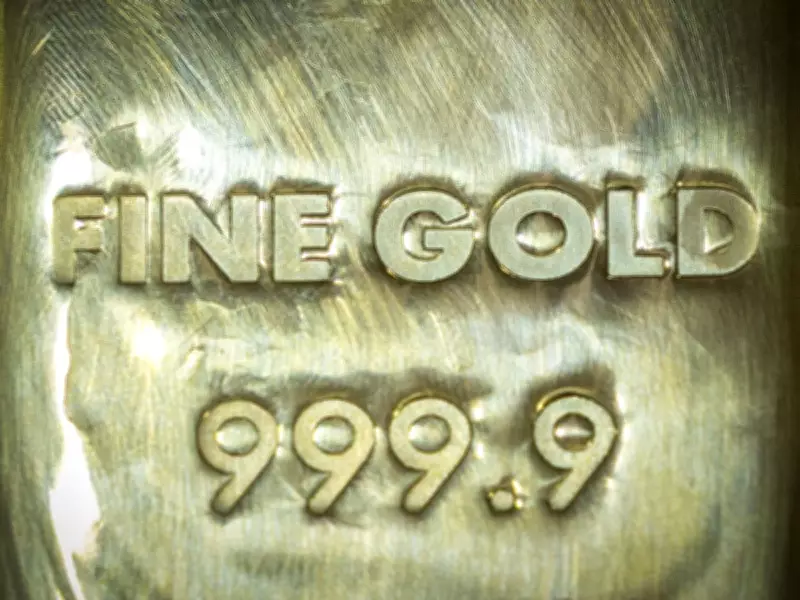
Gold's Bull Market Could Peak at $12,000 Per Ounce, Says Economist
Renowned economist David Rosenberg is urging investors not to abandon gold, predicting the current bull market could ultimately reach a staggering peak of $12,000 per ounce. This forecast comes despite recent volatility that saw prices retreat from all-time highs, a move Rosenberg views as a technical correction within a much larger, ongoing secular trend.
Navigating Short-Term Volatility Versus Long-Term Fundamentals
The precious metals market has experienced heightened turbulence, with spot prices for gold and silver deviating sharply from their moving averages. Rosenberg notes this extreme technical picture could allow for a pullback to around $3,800 per ounce for gold and $50 per ounce for silver without breaching the core bullish trend lines. He draws a parallel to the stock market's sharp 30% correction in 1987, which was a technical adjustment rather than the start of a bear market.
"We are only in the fourth inning of this ball game," Rosenberg asserts, emphasizing that the long-term bullish narrative for gold remains intact. He argues the driver is not merely gold's traditional role as a safe-haven asset, but "basic math" rooted in fundamental global economic shifts.

The Core Drivers: Global Recalibration and Supply-Demand Imbalances
Rosenberg's analysis hinges on two critical, interconnected factors:
- The Recalibration of Global Trade and Payments: The United States' share of world exports has declined to about 10%, and its share of global GDP sits near 25% despite significant fiscal stimulus. However, the U.S. dollar still comprises roughly 56% of world central bank currency reserves. Rosenberg sees a "deliberate and calibrated move" to realign this reserve currency dominance with the U.S.'s diminished relative economic weight, a process fueling sustained demand for gold.
- A Persistent Supply-Demand Mismatch: Gold supply is relatively stable and predictable, with 70-80% of the world's gold already mined. New supply is costly and often comes from geopolitically risky regions. Meanwhile, global demand growth consistently outpaces supply, running at 2.5% to 3% annually versus a 1.5% to 2% supply trend. Compounded over time, this differential is a primary engine for higher prices.
Rosenberg points out that gold has tripled in value since the beginning of Donald Trump's first presidential term, a period he associates with policy chaos—a condition historically favorable for gold. He suggests the pattern from the 1999 lows mirrors the S&P 500's long bull run after its 1982 trough, indicating significant room for further appreciation.
While the $12,000 target may seem shocking—more than double current levels—Rosenberg reminds investors that gold has surged 20-fold over the past quarter-century. The convergence of structural economic shifts and enduring supply constraints, he concludes, sets the stage for this historic bull market to continue its ascent.