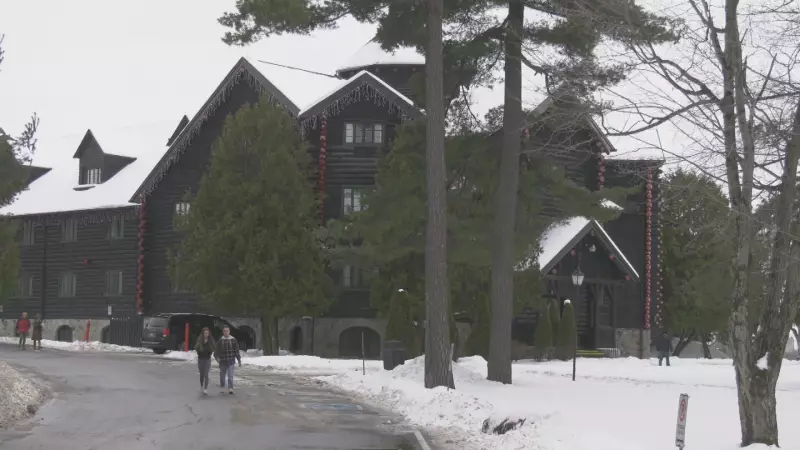
The historic Fairmont Château Montebello, a landmark resort in Montebello, Quebec, will continue welcoming guests despite its property entering into receivership. This financial development, reported on January 2, 2026, has raised questions about the future of the iconic log structure, but operations are expected to proceed uninterrupted for the time being.
Understanding the Receivership Situation
Receivership is a legal process where a court-appointed official, the receiver, takes control of a property to manage it, often to repay creditors. In this case, the Fairmont Château Montebello property itself is under this arrangement. It is crucial to note that this is a property-level financial restructuring, not necessarily a bankruptcy of the hotel operator. The renowned hotel, famous for being the world's largest log cabin, remains open for business, and all reservations and events are currently being honored.
A Storied History and Community Impact
The Château Montebello is more than just a hotel; it is a piece of Canadian heritage. Opened in 1930, it has hosted world leaders, celebrities, and countless vacationers for nearly a century. Its continued operation is vital for the local economy in Montebello and the surrounding Outaouais region, supporting jobs and tourism. The news of the receivership has undoubtedly caused concern, but the immediate assurance of business continuity provides stability for employees and guests alike.

What This Means for Guests and the Future
For now, visitors can expect the same level of service and access to the resort's renowned amenities, including its golf course and spa. The receivership process is designed to stabilize the asset's finances and seek a path forward, which could involve a sale or restructuring. Industry analysts suggest that the hotel's strong brand and historical significance make it an attractive asset, likely ensuring its long-term preservation as a premier destination. The situation will be closely monitored as the receiver assesses the property and explores options.
This development at Château Montebello highlights the complex financial pressures that can affect even the most established hospitality landmarks. The commitment to remaining open offers a positive signal that the goal is to maintain this iconic piece of Quebec's tourism landscape for future generations.