Essex County Council Votes to Phase in Development Charges Over Five Years
In a significant decision that reflects broader economic concerns, Essex County Council has voted to implement a phased approach to new development charges, delaying full implementation until 2028. The move comes after months of debate about how to fund the infrastructure and services required for new growth in the region.
The Financial Impact of New Development Charges
The approved development charges will total just under $8,600 per single residential unit and semi-detached home once fully implemented after a five-year phase-in period. This represents a substantial reduction from the originally proposed $12,500 per unit that was previously considered by county council. The charges will begin in 2028 and increase by 25 percent in each subsequent year until reaching the full amount.
These fees are designed to help the county cover the costs associated with new development, including infrastructure improvements, expanded services, and increased demands on county resources. Municipalities within Essex County already have their own development charges, but the new county-level fees would apply specifically to areas not covered by municipal assessments, such as county roads, library services, land ambulance operations, and waste diversion programs.

The Political and Economic Context Behind the Decision
County councillors have been grappling with the development charge issue since fall, with the uncertain economic outlook in Southwest Ontario creating significant concerns about timing and implementation. The decision to delay and phase in the charges reflects a compromise between competing viewpoints on how to manage growth funding.
During deliberations, councillors generally fell into three distinct positions. Some advocated for implementing charges quickly to ensure that existing taxpayers wouldn't bear the burden of new development costs. Others argued against any development charges due to economic concerns, while a middle group supported either a five- or ten-year implementation period that would initially require existing taxpayers to share more of the growth costs.
The Trump Factor in Local Decision-Making
Remarkably, international politics played a role in the local decision-making process. Kingsville Mayor Dennis Rogers, who introduced the amendment to delay implementation by one year, specifically cited political developments in the United States as a factor in his proposal.
"I think it's important for us just to give that extra time," Rogers stated regarding the decision to push the start date to 2028. "And I don't think one year is enough for this economy to recover." He added that the delay would give "ourselves, everybody, an extra year to recuperate and have a plan moving forward. Hopefully, at that point we're closer to our friends down below, to some common sense, compassion and empathy in the White House."
The Consequences of Not Implementing Development Charges
According to an administration report presented to council, failure to implement development charges would have significant financial consequences for existing taxpayers. The report indicated that without these fees—which developers typically pass along to new homebuyers—existing taxpayers would face an additional $200 annually on their tax bills to cover the costs of new growth.
Some councillors also argued that without county development charges, grant applications to the provincial government would be less likely to receive approval. The concern was that municipalities might be viewed as not utilizing all available tools to raise necessary funds for growth-related expenses.
Exemptions and Special Considerations
Provincial regulations provide specific exemptions from development charges for certain types of developments. These include long-term care homes, hospice facilities, certain post-secondary institutions, Royal Canadian Legion facilities, affordable housing projects, industrial expansions of up to 50 percent, and additional residential units within existing buildings.

The decision comes against a backdrop of similar discussions happening across the region. Recently, Windsor froze fees charged to city developers, citing concerns about the Trump trade war's impact on the local economy. Essex County's approach represents a middle ground that acknowledges both the need to fund growth and the current economic challenges facing the region.
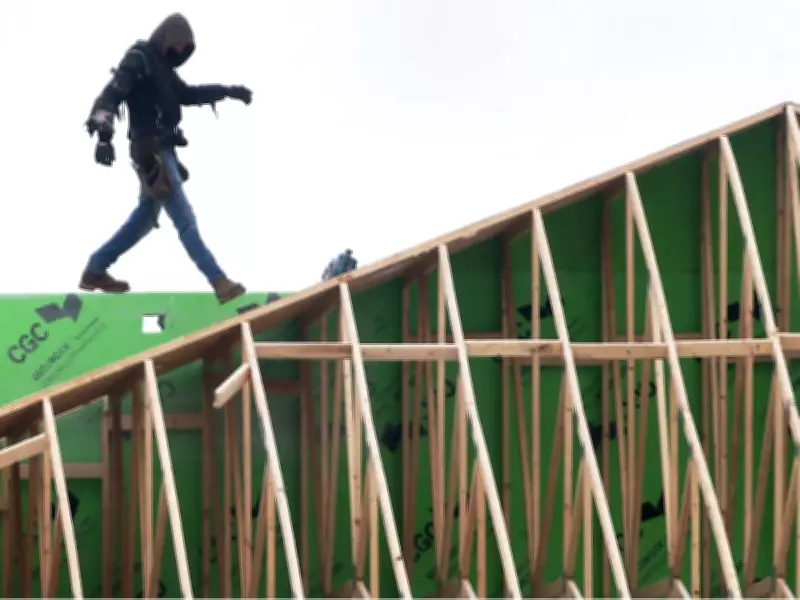
As construction continues on new developments like the townhouses on Talia Trail in Tecumseh, the phased implementation of development charges represents a carefully considered approach to balancing growth with fiscal responsibility in uncertain economic times.