Edmonton Faces Steep Property Tax Hikes and Infrastructure Funding Gap
City officials in Edmonton have delivered a sobering financial forecast, projecting that property taxes could rise by nearly 44 percent by the year 2036. This substantial increase means homeowners currently paying $2,000 annually in property taxes could see their bills approach $3,000 within a decade.
Critical Infrastructure Needs Drive Financial Pressure
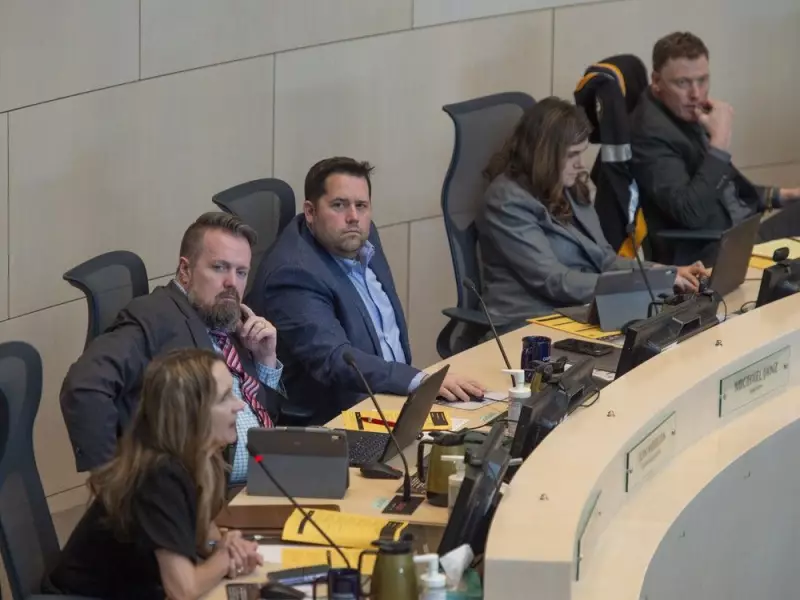
The alarming tax projections emerged during council presentations this week, where administration revealed that Edmonton requires over $17 billion in critical infrastructure renewal over the next ten years to prevent system failures. City manager Eddie Robar explained that each one percent of tax levy generates approximately $25 million in revenue, highlighting the scale of funding needed.
Mayor Andrew Knack emphasized the difficult choices ahead, stating, "This is the whole point of the next four-year budget process. We have to go out into the city and talk to Edmontonians. We have an ever-expanding city that adds substantial costs every time we're adding a new neighbourhood."

Growing City Faces Service Level Challenges
Administration warned council that Edmonton must continue growing to maintain current service levels. For instance, the city cannot sustain adequate fire response times without constructing additional fire stations. Despite these needs, staffing levels have remained largely unchanged since 2015, with some departments experiencing decreases.
Over this period, the city has identified $1.9 billion in efficiency savings, but other costs continue to escalate. Infrastructure maintenance and debt servicing fees represent significant and growing financial burdens that contribute to the projected tax increases.
Current Projections May Underestimate Future Costs
The financial outlook presented to council only accounts for projects already approved or in progress. If council approves additional initiatives, the projected tax increases could be even higher. The current assumptions presume council will proceed with administration's goal of addressing structural budget variances and restoring the financial stabilization reserve to $250 million.
Potential Strategies to Mitigate Tax Increases
City administration outlined several possible approaches to reduce the rate of tax growth, though each carries significant implications:
- Reducing or eliminating certain municipal services
- Increasing user fees or electricity franchise fees
- Reducing growth capital investments
- Switching from zero-emission buses back to diesel models to decrease debt
- Scaling back the pace of dedicated infrastructure renewal
However, officials cautioned that delaying infrastructure improvements now would likely result in more expensive repairs later. Mayor Knack also noted the affordability implications of user fee increases, particularly for lower-income residents.
The financial reports presented this week will inform Edmonton's 2027-30 budget deliberations, setting the stage for difficult decisions about municipal priorities, service levels, and revenue generation in Canada's northern metropolis.