Commercial Real Estate Activity Expected to Rise in 2026 Amid Return-to-Office Trends
The commercial real estate sector is poised for a significant uptick in activity as we approach 2026, with industry analysts pointing to a resurgence in demand for office spaces driven by evolving corporate return-to-office policies. This anticipated growth marks a pivotal shift from the stagnation experienced in recent years, signaling renewed confidence in the market's long-term viability.
Return-to-Office Policies Fuel Market Optimism
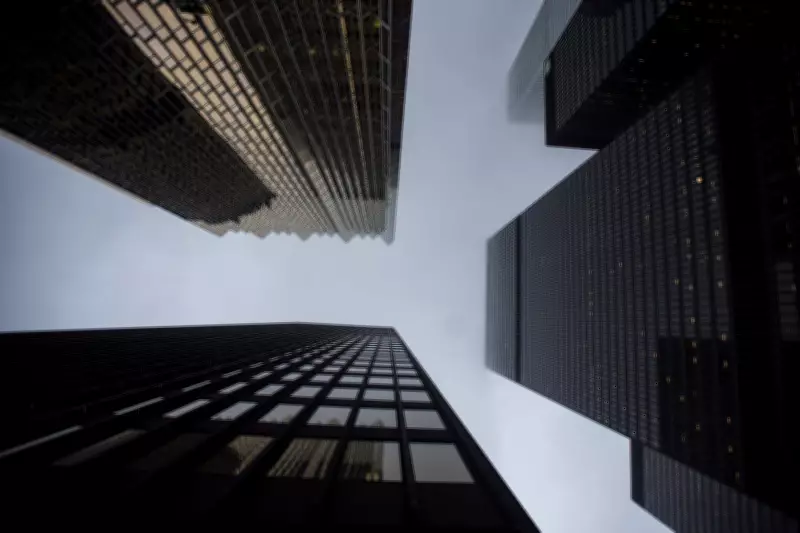
Across major urban centers, corporations are increasingly implementing structured return-to-office mandates, which is directly translating into heightened demand for premium office locations. This trend is particularly evident in cities like Toronto, where office towers that once stood partially vacant are now seeing renewed interest from businesses seeking to reestablish physical workspaces. The gradual normalization of hybrid work models has created a balanced environment where companies value both flexibility and the collaborative benefits of in-person interaction.
Economic Indicators Support Growth Projections
Several economic factors are converging to support this optimistic outlook for commercial real estate. Improved market stability, coupled with strategic corporate investments in workplace infrastructure, is fostering an environment conducive to property transactions and leasing activities. Additionally, the federal government's recent acquisition of a downtown Ottawa office building for $148.2 million underscores the public sector's commitment to maintaining a physical presence, further bolstering market confidence.

Regional Variations and Market Dynamics
While the overall trend points toward growth, regional variations will play a crucial role in shaping the market landscape. Urban hubs with diversified economies and robust transportation networks are expected to lead the recovery, whereas areas still grappling with economic uncertainties may experience more gradual improvements. The interplay between supply and demand will be critical, as developers and property owners adapt to the evolving needs of modern businesses seeking efficient, sustainable, and technologically advanced office environments.
Long-Term Implications for Investors and Businesses
For investors, the projected rise in commercial real estate activity presents both opportunities and challenges. Strategic acquisitions in prime locations could yield substantial returns, but thorough due diligence will be essential to navigate market fluctuations. Businesses, on the other hand, must carefully evaluate their space requirements, balancing the benefits of physical offices with the operational efficiencies gained from remote work arrangements. As 2026 approaches, stakeholders across the commercial real estate spectrum are advised to stay informed and agile, ready to capitalize on the emerging trends that will define the future of workplace environments.