Hydro-Québec Faces Class Action Lawsuit Over Côte-St-Luc Power Failures
A Montreal law firm has filed a proposed class action lawsuit against Hydro-Québec in Quebec Superior Court, alleging the utility failed to provide reliable electrical service to communities in Montreal's west end. The legal action comes just one week after a major power outage left thousands of residents without heat during an arctic cold snap.
Extended Outage During Extreme Cold
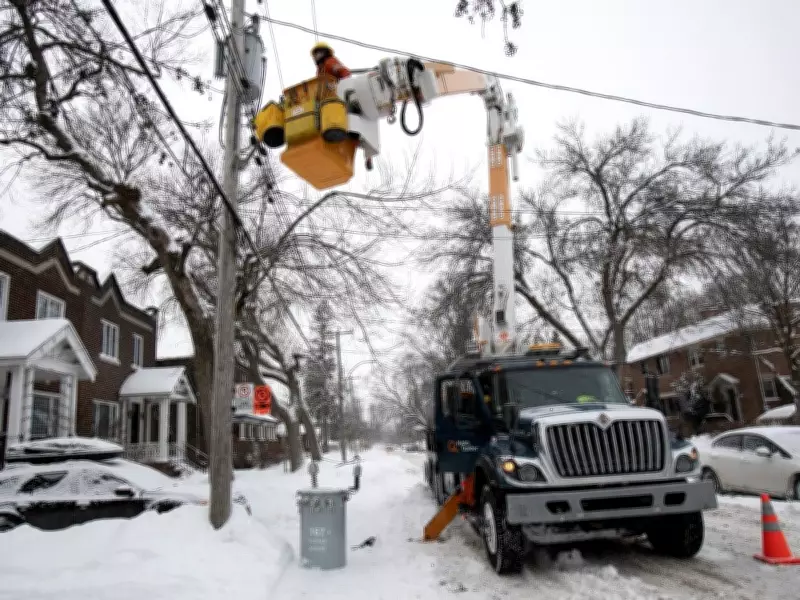
For more than 48 hours, thousands of residents in Montreal's west end endured freezing temperatures without heat after a power outage forced many to rely on winter gear indoors. Some residents reported sleeping in sleeping bags to stay warm during the extreme weather event.
The blackout, caused by an equipment failure at the Hampstead electrical substation on Saturday, January 24, 2026, cut power across parts of Côte-des-Neiges–Notre-Dame-de-Grâce, Côte-St-Luc and Montreal West. Approximately 15,000 homes were affected at the peak of the outage.

Authorities are currently investigating at least two deaths involving elderly individuals, though they have not confirmed whether the power outage was a direct cause.
Legal Claims and Compensation Sought
The lawsuit, filed by Lex Group Inc. and led by attorney David Assor, seeks compensation for numerous damages including:
- Property damage resulting from the extended power loss
- Hotel stays and temporary housing costs
- Food and transportation expenses
- Financial losses tied to missed work and cancelled travel
- Other disruptions caused by the prolonged outage
Assor indicated the claim could reach "multimillion-dollar" territory, reflecting the significant impact on affected residents.
Allegations of Negligence and Infrastructure Failure
The legal filing alleges Hydro-Québec was negligent in maintaining critical infrastructure and failed to prevent a breakdown that was foreseeable. According to the application, the utility had long been aware of problems at the Hampstead substation that ultimately failed.
Project documents cited in the application reveal Hydro-Québec had identified the Hampstead substation as a weak point for years and had been planning its replacement since at least 2018. Despite public consultations beginning that year, the timeline was delayed, partially due to the COVID-19 pandemic.
History of Power Problems in the Area
This is not the first time residents in this area have experienced prolonged outages. In the spring of 2023, another significant blackout forced some residents to leave their homes for days, incurring costs for temporary housing, transportation, and food, along with losses linked to cancelled activities and travel.
Sonny Moroz, interim mayor of the Côte-des-Neiges–Notre-Dame-de-Grâce borough, called the most recent blackout "unacceptable" — particularly given the extreme cold conditions. In a statement, Moroz emphasized that a lack of clear information about how long power would be out left families, seniors, and vulnerable residents in "very difficult situations."
"The reliability of the electrical grid is essential to the safety and quality of life in C.D.N.-N.D.G.," Moroz stated, pressing Hydro-Québec to clearly explain the cause of the failure, the pace of repairs, and the steps being taken to prevent a recurrence. He also called for the Hampstead substation project to be fast-tracked with a firm timeline made public.
Hydro-Québec's Response
Hydro-Québec rejected suggestions it failed to communicate adequately during the crisis. In a statement, spokesperson Pascal Pinlaine said the utility maintained "constant communication" throughout the outage. This included notifying municipal emergency services shortly after the failure began, placing automated calls to customers, conducting door-to-door outreach, issuing targeted social-media updates, and keeping elected officials and the media informed.
Regarding compensation, Pinlaine stated that customers affected by outages are generally expected to file claims with their insurers. The utility is currently reviewing the proposed class action and declined further comment on the pending litigation.

The class action must still be authorized by a judge before it can proceed through the legal system. This case highlights growing concerns about aging infrastructure and utility reliability in urban centers during extreme weather events.