Calgary's Housing Crossroads: A Threat to Generational Affordability
In Calgary, the housing debate has often been simplistically portrayed as a clash between generations—young people demanding affordability versus older homeowners defending their neighborhoods. However, this perspective overlooks a more critical issue: whether Calgary's housing market adequately supports residents through every phase of life. The answer is currently no, but progress is being made, unless city council reverses course on recent zoning reforms.
The Impending Repeal of Zoning Rules
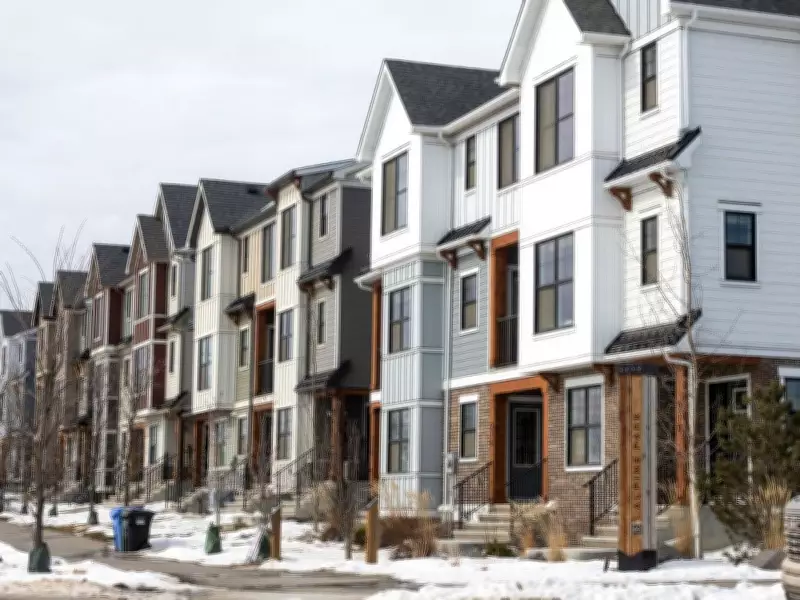
Calgary city council is considering repealing new zoning regulations implemented as part of the Housing Strategy, which have successfully increased the supply of diverse housing types needed by the community. First-time homebuyers are increasingly turning to townhouses due to their affordability compared to single-detached homes. Similarly, seniors often seek flats, condos, and smaller residences that require less maintenance, such as no yards or driveways. The proposed repeal would restrict these options, allowing them only with special council permission, disproportionately harming young Calgarians starting out and seniors planning their next chapters.
The Downsizing Dilemma for Seniors
For many seniors, the family home becomes impractical long before cherished memories fade. Once children move out, large houses with stairs and constant upkeep lose appeal, making condos or other compact housing more attractive. Yet, these options are frequently limited and located on the outskirts of communities. No one should be forced to leave a beloved neighborhood due to a lack of downsizing opportunities. High prices that segregate communities prevent new neighbors and families from integrating, undermining social cohesion.

Downsizing within one's community allows residents to continue contributing to the places where they have invested a lifetime—raising families in local parks, attending schools, planting trees, participating in cleanups, and volunteering. This only works when housing choices, from condos to row houses, are available nearby.
The Role of Missing Middle Housing
Missing middle housing—including townhouses, duplexes, fourplexes, and secondary suites—addresses a critical societal need. These are not luxury towers or speculative investments but practical, adaptable spaces that evolve with people's lives: a basement suite for a student, a duplex for a young family, a townhouse for empty nesters, or a single-level apartment for seniors wanting proximity to neighbors, healthcare, and transit.
Combating Isolation Through Flexible Zoning
Society is growing increasingly isolated, with disconnection affecting all generations. Erecting barriers by banning diverse housing exacerbates this issue, hitting the youngest and oldest hardest. Multi-generational living arrangements, facilitated by flexible zoning, help seniors stay close to family, reduce isolation, and strengthen informal care networks. They also provide the most affordable entry point for young people seeking stable housing. According to reports, first-time buyers in Calgary are already favoring townhomes for their affordability and accessibility.
A Call for Inclusive Housing Choices
This is not a narrative of winners and losers but about whether Calgary's Housing Strategy offers choices at every life stage. Young people deserve a place to start, and seniors deserve a place to settle. The Housing Strategy, including blanket rezoning, has created room for both. Repealing it does not protect neighborhoods; it perpetuates a costly myth that one housing type suits everyone indefinitely, ultimately leaving the entire community worse off.