Maryland Business Owner Sentenced to 20 Years for Pet Cremation Fraud
In a case that has shocked the community, a Maryland business owner has been handed a severe prison sentence for exploiting grieving pet owners. Rodney Ward, a resident of Catonsville, was sentenced to 20 years in prison and ordered to pay nearly $13,000 in restitution to victims of a fraudulent scheme involving pet cremation services.
Details of the Heartless Scam
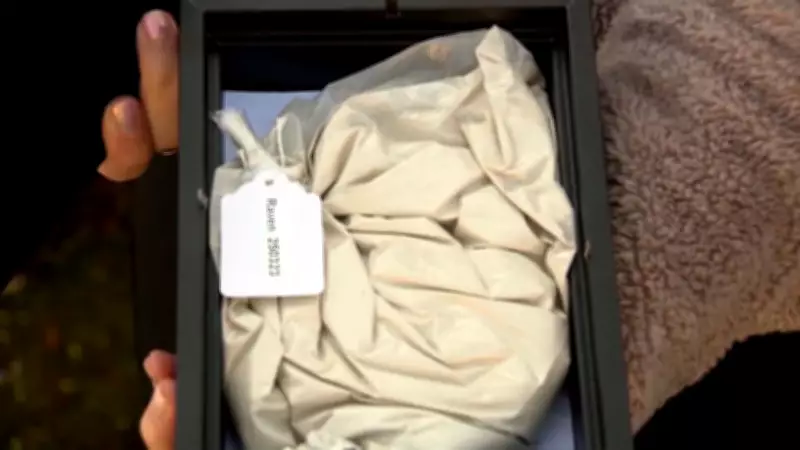
Investigators revealed that Ward operated a scheme where he accepted money from pet owners seeking cremation services for their deceased animals. Instead of providing the promised ashes, he returned false or incorrect remains, adding emotional distress to the financial loss suffered by the victims. The scheme targeted individuals during a vulnerable time, capitalizing on their grief and trust.
The sentencing, which occurred recently, underscores the legal consequences for such deceptive practices. Authorities emphasized that this case serves as a warning to others who might consider preying on pet owners. The restitution order aims to compensate victims for their financial losses, though it cannot undo the emotional harm inflicted.

Broader Implications for Pet-Related Services
This incident highlights ongoing concerns about transparency and ethics in the pet care industry. Pet owners often rely on businesses to handle end-of-life services with dignity and honesty. Cases like Ward's erode public trust and prompt calls for stricter regulations and oversight in this sector.
Experts note that such frauds are particularly egregious because they exploit deep emotional bonds between people and their pets. Victims are left not only out of pocket but also questioning the authenticity of the remains they received, complicating their grieving process.
Legal and Community Response
The prosecution argued successfully for a lengthy prison term, citing the deliberate nature of the fraud and its impact on multiple families. Community members have expressed relief at the sentencing, hoping it brings some closure to those affected. However, many advocate for more proactive measures to prevent similar scams in the future.
As pet ownership continues to rise, ensuring ethical standards in related services becomes increasingly important. This case may spur discussions about certification requirements or consumer protection laws specific to pet care industries.