B.C. Government Supports Real Estate Company's Bid to Reopen Cowichan Tribes Land Title Case
The British Columbia NDP government is formally supporting a real estate company's legal action to reopen the landmark case that last year granted the Cowichan Tribes Aboriginal title over hundreds of hectares of land in Richmond. This development represents a significant twist in the ongoing legal saga surrounding Indigenous land rights and private property interests in the province.
Montrose Properties Seeks Inclusion in Legal Proceedings
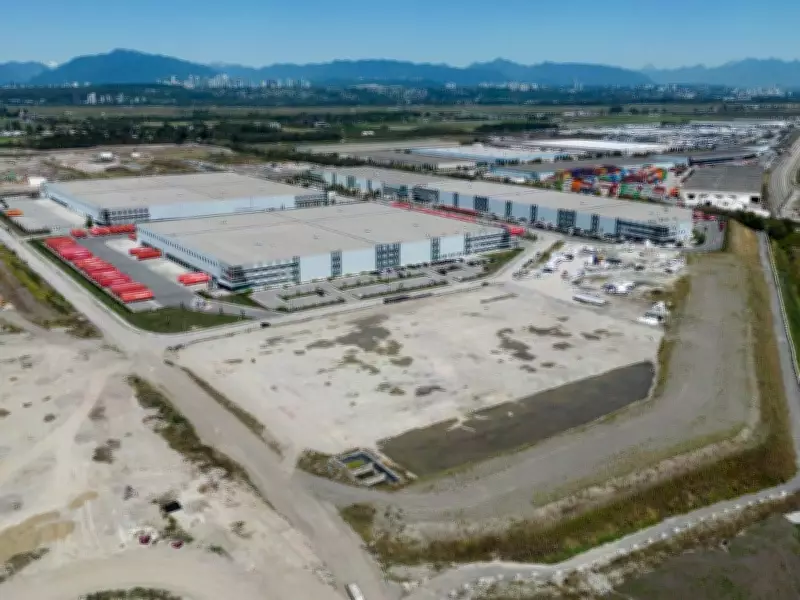
Richmond-based Montrose Properties has launched this action because it was excluded from the five years of court proceedings that ultimately resulted in approximately 200 hectares of its industrial land being included within the area designated as covered by Aboriginal title. The company owns substantial industrial properties in the affected area, including lands housing Canadian Tire and Coca-Cola Canada distribution centers.
B.C. Attorney General Niki Sharma has stated unequivocally that the province supports Montrose's application, arguing that the company should never have been excluded from the original legal battle. "We've been pretty clear in our positions through the Cowichan case that we think that the third-party landowner should have had a hearing," Sharma told reporters this week. "We made such an application in that court process. So therefore we are supportive of the Montrose application that's before the courts."

Financial Backing and Federal Support
The provincial government demonstrated its commitment to this position last fall by providing $150 million in financial backing for Montrose and other property owners affected by the case. This substantial financial support underscores the government's recognition of the significant implications for private landowners caught in the crossfire of Aboriginal title determinations.
Notably, the federal government also supports Montrose's application, having previously urged the court to notify third-party landowners that they had a stake in the proceedings. This alignment between provincial and federal governments creates a powerful coalition backing the company's legal efforts.
Immediate Impacts on Business Operations
The Aboriginal title designation has already created tangible business consequences for Montrose Properties. Company lawyer Robin Junger revealed that the uncertainty surrounding land status has affected lending arrangements and business deals. "More lenders have said we're not prepared to lend until this title uncertainty is addressed," Junger explained during a recent interview. "A prospective tenant has also expressed concerns."
Junger further clarified the company's position: "There's this uncertainty over the land because the court determined that Aboriginal title exists over the same land that Montrose owns fee simple. And since Montrose was not a party to the 513-day trial, the court declined an application to give Montrose notice."
Legal Arguments and Future Proceedings
Montrose seeks to reopen the case specifically to make submissions regarding the implications of its exclusion from the original proceedings. The company also intends to raise important questions about how the Aboriginal title designation impacts its fee-simple land holdings. According to the company, while it was generally aware of the court action beforehand, it had no understanding of the specific impact on its own properties until the judgment was published in August.
The company's legal team argues that before any final order is issued that would significantly affect their client's interests, the court should hear directly from Montrose Properties. This position reflects fundamental principles of procedural fairness in Canadian law, particularly when substantial property rights are at stake.
This case continues to highlight the complex intersection of Indigenous rights, private property interests, and government responsibilities in British Columbia's evolving legal landscape. The outcome could establish important precedents for how similar cases are handled in the future, particularly regarding the inclusion of affected third parties in Aboriginal title proceedings.