As 2025 draws to a close, the British Columbia real estate landscape presents a sobering picture, characterized by plunging sales and a significant slowdown in new development. According to veteran analyst Michael Geller, the past year has underscored the fragmented nature of the market while delivering some of the weakest performance metrics seen in decades.
A Market of Many Parts, A Year of Collective Decline
Geller emphasizes that speaking of a single Vancouver housing market is a misnomer. The dynamics for downtown high-rises are entirely different from those for townhouses in the Fraser Valley. Similarly, the markets for rental properties, first-time buyers, and those looking to downsize all operate under distinct pressures and trends.
Despite this complexity, industry observers often look to overall data for direction. At the end of 2024, the B.C. Real Estate Association (BCREA) projected a hopeful 13 per cent increase in sales for 2025, fueled by anticipated lower mortgage rates and supportive government policies. This optimistic forecast was quickly dismantled.

Trump Tariffs and a Forecast Gone Awry
The primary catalyst for the downturn, as noted by Geller, was the sweeping tariffs announced by U.S. President Donald Trump in early February 2025. The economic uncertainty this created had an immediate chilling effect. The BCREA was forced to revise its outlook downward as sales activity fell far short of initial expectations.
The result is stark: 2025 is set to be the year with the lowest number of home sales in the Lower Mainland this century. This localized slump was part of a broader national trend, with conditions in Toronto becoming even more extreme. In a striking comparison, Geller points out that only twenty-five new condominiums were sold in Toronto in October 2025—fewer than the number of players on a Toronto Blue Jays roster.
Development Pipeline Slows to a Trickle
The downturn profoundly impacted new construction. At the start of the year, MLA Canada, a leading project marketing firm in B.C., predicted 125 condominium project launches across the Lower Mainland for 2025.
By year's end, the reality was dramatically different. MLA tracked only forty-nine launches, a figure that is sixty per cent below their forecast and just half of the region's ten-year average. Compounding the issue, some of these launched projects were subsequently put on hold or converted to rental buildings, reflecting a lack of pre-sale confidence.
Looking ahead, MLA has not issued a formal forecast for 2026. However, the firm anticipates the coming year could closely resemble the past one. Key factors sustaining the malaise include the near-total absence of investors, driven by declining rents and a host of government policies perceived as discouraging investment.
Further clouding the outlook, Rennie Intelligence estimates there could be 3,400 completed and unsold condominiums on the market by the end of 2025, with thousands more units under construction but not yet sold. This inventory overhang presents a significant challenge for market recovery.
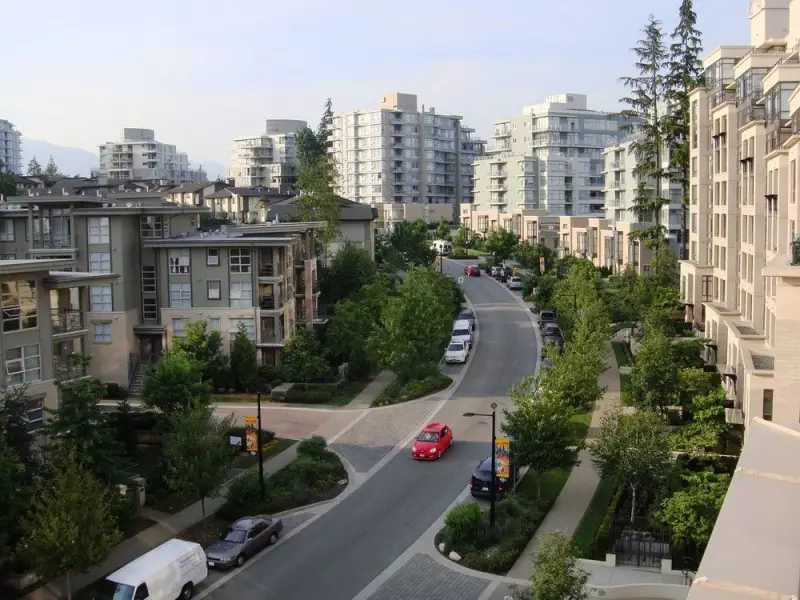
In his commentary, Geller advocates for a jolt of innovation to break the current cycle. He points to models like the family housing with 'lock-off suites' built at SFU's UniverCity as examples of the creative thinking needed to stimulate demand and provide more flexible, affordable housing options for British Columbians in 2026 and beyond.