B.C. Organization Advocates for Government-Run Grocery Model to Address Rising Food Costs
A British Columbia-based organization has stepped into the heated national debate surrounding the potential establishment of government-operated grocery stores. This move comes as families across the province and the country continue to grapple with persistently high food prices, sparking discussions about alternative retail models to enhance affordability and accessibility.
The Core Argument for Public Intervention in Grocery Retail
The organization argues that the current private grocery market, dominated by a few major chains, has failed to keep prices in check for essential goods. They propose that a publicly-run grocery system, potentially operated by provincial or federal authorities, could introduce much-needed competition. This model, they suggest, would prioritize affordability over profit margins, directly benefiting consumers struggling with their weekly food budgets.
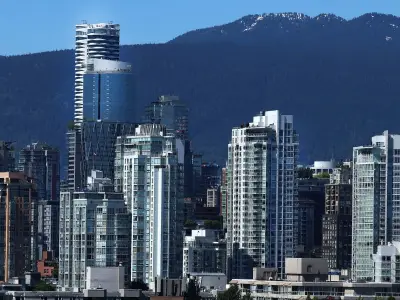
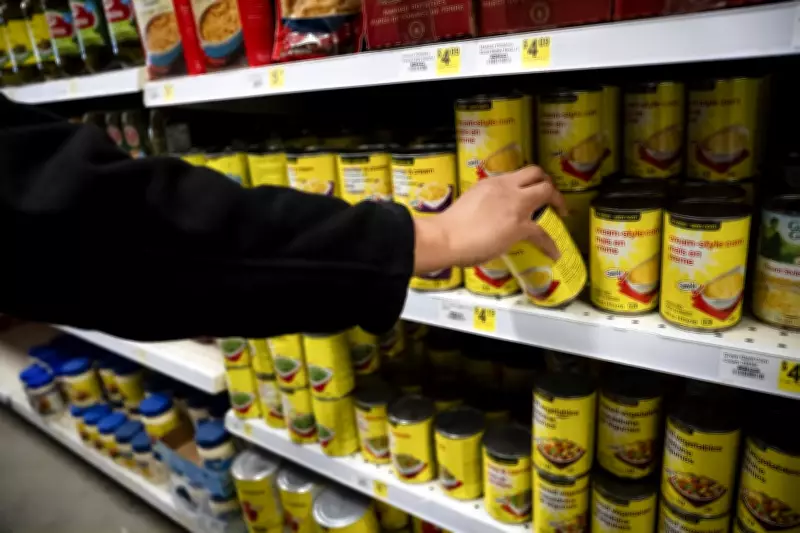
The debate has gained significant traction in British Columbia, where the cost of living, particularly in urban centers like Vancouver, remains a top concern for residents. Proponents believe that a government entity could leverage bulk purchasing power, reduce logistical markups, and operate with a mandate to stabilize prices on staple items such as fresh produce, dairy, and canned goods.

Context of Rising Food Inflation and Consumer Strain
This advocacy emerges against a backdrop of sustained food inflation that has outpaced general wage growth. Many Canadian households report spending a larger portion of their income on groceries compared to previous years. The organization points to international examples, such as certain European models with state-influenced food retail sectors, as potential blueprints for Canada.
Critics of the idea often cite concerns about market efficiency, bureaucratic overhead, and the potential impact on existing private sector jobs and investment. However, the B.C. group counters that the severity of the affordability crisis warrants bold, structural solutions beyond temporary subsidies or regulatory nudges.
The discussion also intersects with broader themes of food security and sovereignty, especially for remote and Indigenous communities where grocery costs are disproportionately high. A public retail option could, in theory, ensure more equitable food distribution and pricing across different regions of the province.
Potential Pathways and Political Considerations
While the concept of a government-run grocery store network is still largely theoretical in the Canadian context, the organization is pushing for feasibility studies and pilot projects. They suggest starting with a limited number of stores in high-cost areas or food deserts to test the model's effectiveness.
The proposal is likely to spark further political debate, touching on provincial jurisdiction over economic development and federal roles in competition policy and social programs. As food affordability remains a kitchen-table issue for millions of Canadians, the call for innovative solutions like public grocery retail is expected to remain part of the national conversation on cost of living.