Vancouver's Broadway Plan Sparks Controversy with 18-Storey Tower in Leafy Neighborhood
Residents of Vancouver's Mount Pleasant neighborhood are facing a dramatic transformation as an 18-storey concrete-and-steel rental tower has been approved for construction at the southwest corner of Yukon Street and West 14th Avenue. The Vancouver City Council gave the green light to this substantial development on January 22, 2026, marking a significant shift in the character of this traditionally low-rise residential area.
Neighborhood Character Under Threat
Susan Mackey-Jameson and Dan Bilsker, who live in a three-storey fourplex adjacent to the proposed tower site, are among the many residents expressing concern about the project's scale. Their neighborhood, located just three blocks south of Vancouver City Hall, currently features gardens, tall boulevard trees, and a mix of character dwellings including duplexes, triplexes, and fourplexes. Some of these homes even hold heritage designation, creating a streetscape that many fear will be permanently altered by the towering new structure.
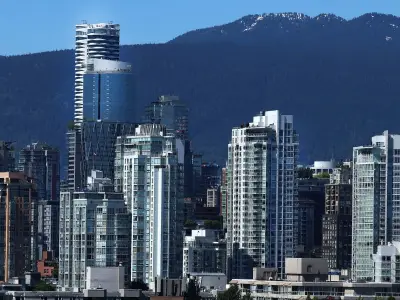
The approved development represents more than just a single building—it symbolizes the broader implementation of Vancouver's Broadway Plan, which council approved in 2022. This comprehensive zoning initiative covers approximately 500 city blocks and is transforming the entire Broadway corridor through aggressive upzoning policies.

The Broadway Plan's Transformative Impact
According to current projections, more than 180 large buildings containing nearly 25,000 units—primarily rental apartments—have either been approved or proposed under the Broadway Plan framework. While some of these developments will occupy busy urban thoroughfares, many others will replace existing three-storey rental buildings, fundamentally changing the neighborhood's physical and social fabric.
Approximately ten additional projects similar to the Yukon and 14th development are expected to emerge from assemblies of detached residential lots throughout the Broadway Plan zone. These projects represent a particular departure from previous development patterns, as they transform quiet residential streets into sites for substantial highrise construction.
Organized Community Resistance Emerges
What makes the Yukon and 14th project particularly noteworthy is the organized community opposition it has generated. The site sits at the intersection of two residential side streets distinguished by magnificent 100-year-old beech trees, and local residents have mounted a visible campaign against what they perceive as inappropriate development.
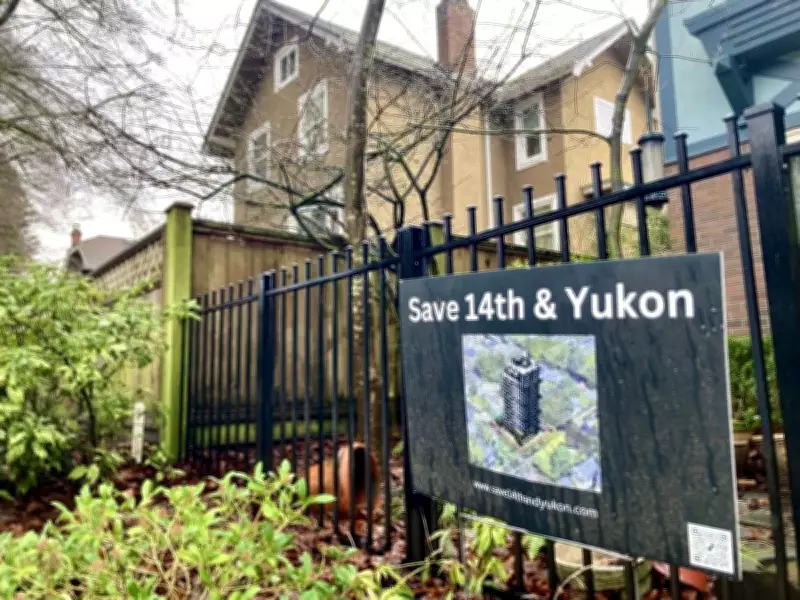
Approximately fifty lawn signs bearing the message "Save 14th and Yukon" now dot the neighborhood, featuring an architect's rendering of the isolated tower rising above the green canopy of trees. These signs direct concerned citizens to a website where they can learn more about the community's position and organizing efforts.
This resistance has historical roots: many of the same Mount Pleasant residents currently questioning the tower collaborated with city officials in 2010 to create a 30-year neighborhood plan that emphasized low-rise development. Community members now argue that this previous plan, developed through extensive consultation, is being ignored in favor of what they describe as a "top-down" Broadway Plan that overrides local considerations.
Broader Implications for Metro Vancouver
The story unfolding at Yukon and 14th reflects similar debates occurring throughout the Broadway corridor and across Metro Vancouver. As municipal and provincial governments implement aggressive upzoning policies—particularly within 800 meters of rapid-transit hubs like the SkyTrain station at Cambie and Broadway—residents are increasingly questioning the scale and appropriateness of these developments.
The Yukon and 14th site sits just five blocks from this major transit hub, placing it squarely within the zone targeted for intensified development under current policies. Both the City of Vancouver and the provincial NDP government have mandated dramatic upzoning measures over the past two years, responding to rapid population growth and the resulting housing affordability crisis.

While some critics have dismissed concerned residents as NIMBYs ("not in my backyard"), the organized opposition at Yukon and 14th represents a more nuanced conversation about appropriate scale, neighborhood character, and the balance between housing density and community preservation. As Vancouver continues to grow and evolve, these debates will likely intensify, with the Yukon and 14th development serving as a prominent case study in the challenges of urban planning during a period of rapid transformation.