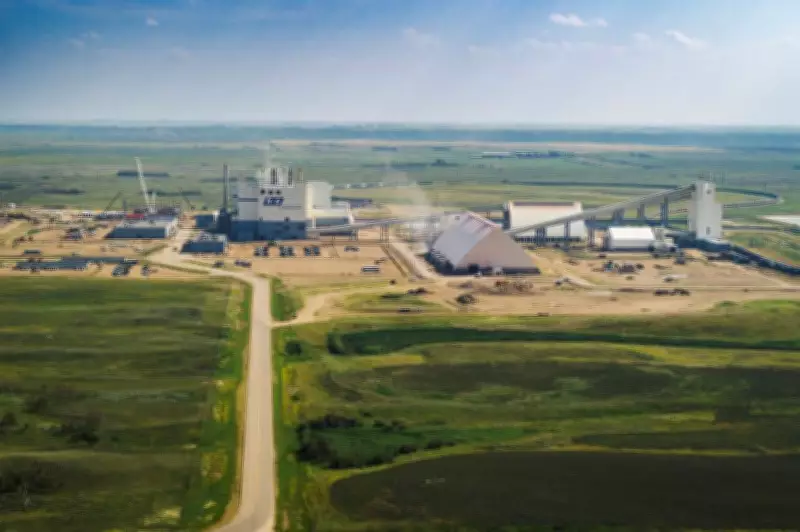
Saskatchewan is solidifying its status as one of the world's most important mining jurisdictions, driven by global demand for critical minerals. War in Iran, trade volatility, and a growing recognition for domestic production of critical minerals such as uranium, potash, and copper are helping fortify the province as a leading mining hub in Canada and globally.
Critical Minerals Abound
According to Pam Schwann, president of the Saskatchewan Mining Association, the province hosts 27 of Canada's 34 listed critical minerals. Saskatchewan is already recognized among the world's largest producers of potash and uranium, with these minerals accounting for nearly $13 billion in sales and 13.5 percent of the province's gross domestic product. The industry drives more than 25,000 direct and indirect jobs, paying about $1.7 billion in wages annually and contributing $1.8 billion in taxes and royalties, based on 2024 data from the province.
Potash Expansion
As the leading global producer of potash, Saskatchewan's 10 operating mines account for about 35 percent of the world's output. Resource giants including Nutrien and Mosaic have major operations across the province. Starting in 2027, the BHP Jansen potash mine will begin operations, adding another 4.3 million tonnes annually to the market. Additionally, K+S Potash Canada is investing up to $3 billion to expand its Bethune mine, further boosting production by 2030.

Uranium Growth
Saskatchewan is also the second largest producer of uranium in the world, and its share of production is likely to increase with new projects in the pipeline. Cameco Corporation's Cigar Lake and McArthur River mines already produce the highest quality uranium globally. Orano Canada, an operator of mills for these mines, is pioneering new technology called SABRE (Surface Access Borehole Resource Extraction) to mine smaller high-grade deposits that were previously economically challenging to commercialize.
Earlier this spring, NexGen Energy and Denison Mines received federal approval from the Canadian Nuclear Safety Commission (CNSC) to begin construction on new uranium mines in the Athabasca Basin, the first to be approved since 2004.
Drivers of Demand
Demand exists for both minerals as the world's population is expected to grow to nearly 10 billion by 2050, requiring a 70 percent increase in food production. Potash, a key fertilizer, will play a major role in facilitating that increase, according to a report by BHP. Energy needs are also rising substantially. Schwann explains, 'Energy consumption globally is increasing, not just because of the global population, but artificial intelligence is becoming a truly energy intensive sector.'