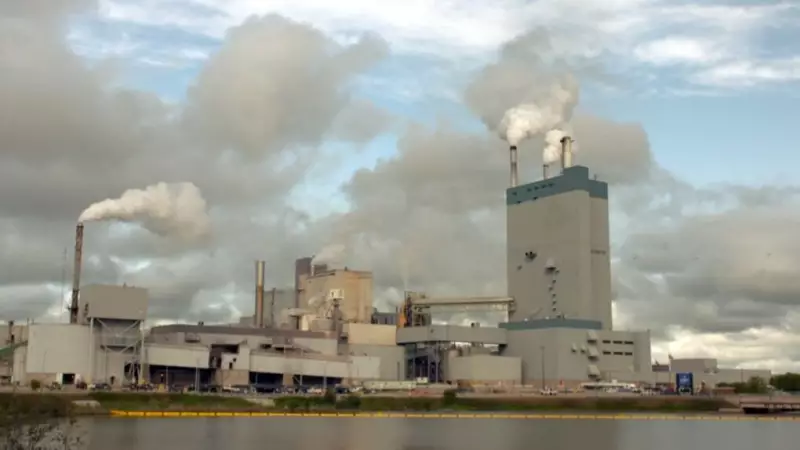
Thunder Bay Pulp and Paper to Cease Newsprint Operations, Impacting Up to 150 Employees
In a significant development for Canada's manufacturing sector, Thunder Bay Pulp and Paper has announced it will be ending its newsprint production operations. This decision is expected to affect as many as 150 employees, marking a notable shift for the regional economy in Northwestern Ontario.
Details of the Operational Shutdown
The company confirmed the move on January 22, 2026, stating that the cessation of newsprint production is part of a strategic realignment. While specific reasons for the shutdown were not fully detailed in the initial announcement, industry analysts suggest it reflects broader trends in the paper industry, including declining demand for newsprint due to digital media growth and rising operational costs.
The impact on the workforce is substantial, with up to 150 people facing job losses or reassignments. This represents a significant portion of the plant's employment base, potentially affecting families and communities in the Thunder Bay area. The company has indicated it will work with affected employees to provide support during the transition, though details on severance packages or retraining programs have not yet been disclosed.

Broader Implications for the Industry and Region
This move underscores the ongoing challenges in Canada's pulp and paper sector, which has faced pressures from global competition, environmental regulations, and shifting consumer habits. Thunder Bay, historically a hub for forestry and paper production, may see economic ripple effects from this closure, including reduced local spending and potential impacts on related businesses.
Experts note that the decline in newsprint demand has been a long-term trend, with many mills across North America scaling back or shutting down similar operations over the past decade. However, the Thunder Bay facility's decision highlights how even established players are adapting to market realities, potentially shifting focus to other paper products or alternative revenue streams.
Community and Economic Response
Local officials and labor representatives are likely to monitor the situation closely, as job losses of this scale can strain social services and economic stability in the region. The announcement comes amid other national news, but for Thunder Bay, it represents a critical moment for its industrial landscape.
As the company moves forward with its plans, stakeholders will be watching for further details on:
- The timeline for phasing out newsprint production.
- Support measures for displaced workers.
- Potential opportunities for retooling the facility for other products.
- Long-term economic strategies to mitigate the impact on the community.
This development serves as a reminder of the evolving nature of traditional industries in Canada and the need for adaptive strategies in the face of changing market dynamics.