

Kraft Heinz Commits $250 Million to Expand Canadian Manufacturing Capacity
Kraft Heinz Canada has unveiled a substantial $250 million investment plan aimed at modernizing and expanding its manufacturing facility in Montreal. This strategic move is designed to significantly increase the company's domestic production capabilities for its well-known food brands, reducing reliance on imports from the United States and Europe.
Addressing Capacity Constraints and Meeting Consumer Demand
Simon Laroche, President of Kraft Heinz Canada, highlighted the pressing need for this investment. "When demand for a product peaks, we have to import from either the U.S. or sometimes even from our colleagues in Europe because we just don't have capacity," Laroche explained. "With these investments, we'll be able to keep all the production here."
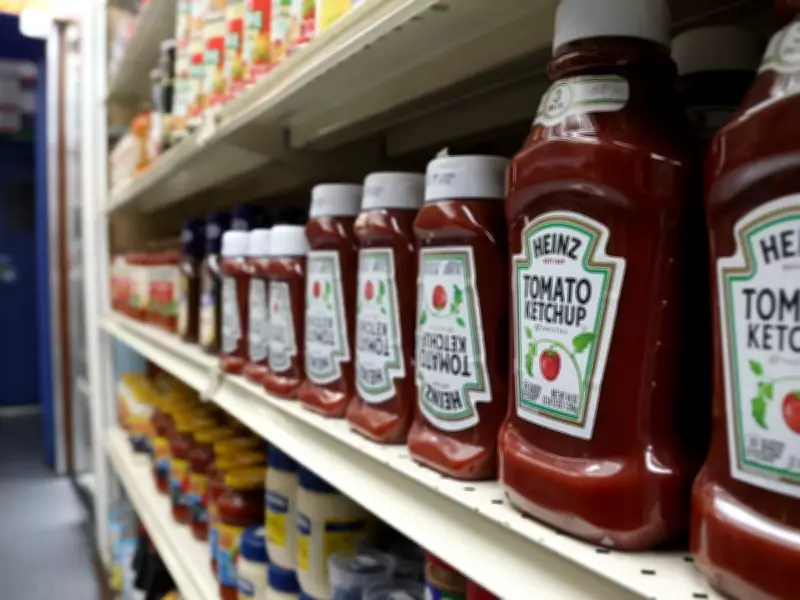
Currently, approximately 90 percent of Heinz ketchup sold in Canada is manufactured domestically, primarily using tomatoes sourced from Leamington, Ontario. However, during peak seasons like summer, the company has been forced to import additional supplies to satisfy consumer demand. Laroche emphasized that this investment will enable Kraft Heinz to produce nearly 100 percent of the ketchup required in Canada within the next two to five years.

Modernizing the Mount Royal Facility
The $250 million investment will be directed toward upgrading and modernizing the Mount Royal facility in Montreal, which serves as the main operational hub for Kraft Heinz Canada. This complex factory employs more than half of the company's 2,000 Canadian workforce and features 41 different production lines. It manufactures a wide range of popular products, including:
- Kraft Dinner
- Philadelphia Cream Cheese
- Kraft Peanut Butter
- Heinz ketchup
Laroche described the facility as the company's most complex worldwide and outlined the goals of the modernization plan: "We need more capacity, more flexibility, we need to find efficiencies, and we need reliability. So, yeah, it's a big master plan."
Enhancing Efficiency and Supporting Canadian Consumers
Beyond increasing production capacity, this investment aims to streamline operations and reduce logistical costs associated with importing products. Laroche noted that importing from U.S. factories is complicated by their commitments to other markets, making it challenging to reliably meet Canadian needs. Additionally, factors such as U.S. tariffs and a growing consumer preference for Canadian-made goods have influenced this decision.
"Canadians love products made in Canada," Laroche stated. "The more we can make in Canada from our Canadian factory, that's always a more efficient way to do it, and Canadian consumers love that." He also mentioned that many Canadians were unaware that 75 percent of Kraft Heinz products sold in the country are manufactured domestically, prompting the company to launch campaigns to highlight this fact.
This significant investment underscores Kraft Heinz's commitment to strengthening its Canadian manufacturing base, ensuring a more reliable supply chain, and aligning with consumer preferences for locally produced goods. The modernization of the Montreal facility is expected to bolster the company's ability to meet future demand while supporting the local economy through job retention and potential growth.






