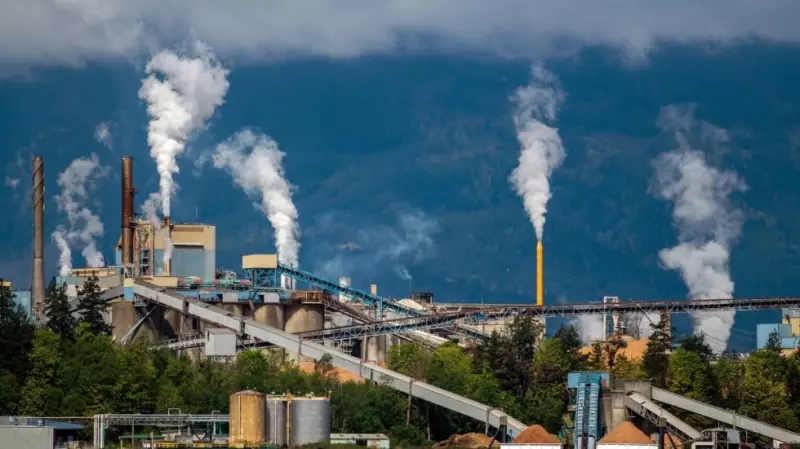
A pulp mill in British Columbia made a surprising final move by importing material from the United States before announcing it was shutting down for good. The decision has sparked discussion within the province's forestry sector about the complex factors leading to the facility's demise.
The Final Shipment Before the Shutdown
According to reports, the mill, located in British Columbia, received a shipment of pulp from the United States. This import occurred shortly before the company publicly declared it was ceasing operations and folding. The timing raises questions about the mill's supply chain strategy and financial decisions in its final days of operation.
The announcement of the closure was made public on December 03, 2025. Journalist Penny Daflos initially reported on the sequence of events, highlighting the apparent contradiction of importing raw material only to close soon after.

Context Within a Struggling Sector
The closure of this mill is not an isolated incident but part of broader challenges facing the forestry and manufacturing sectors in Canada, and particularly in British Columbia. Factors such as fluctuating global commodity prices, high operational costs, and competitive international markets have placed significant pressure on local producers.
The decision to import U.S. pulp at the eleventh hour could indicate an attempt to fulfill final orders or manage existing contracts before winding down. Alternatively, it may point to specific shortages or cost-benefit analyses that favored imported material over locally sourced fibre in the mill's final calculations.
Implications for Workers and the Local Economy
The folding of the mill has direct consequences for its employees and the surrounding community. Job losses are the most immediate impact, affecting families and local businesses that relied on the mill's payroll. The closure also removes a player from the provincial industrial base, potentially affecting related supply chains and service providers.
This event underscores the volatile nature of resource-based manufacturing. It serves as a case study in how global market forces and logistical decisions can culminate in the shutdown of a local industrial facility. The move to import pulp, a key raw material, just before closing adds a layer of complexity to the standard narrative of a mill failure.
Observers and industry analysts will likely examine this case to understand the specific economic pressures at play. The story highlights the difficult decisions management faces when navigating a path toward closure, balancing obligations, costs, and the final steps of a business's lifecycle.