

TSA Confronts Escalating Staffing Crisis as Screeners Exit Over Unpaid Labor
The Transportation Security Administration (TSA) is grappling with a deepening staffing crisis that threatens to disrupt air travel nationwide. Airport security screeners are increasingly choosing to resign rather than continue working without pay, a situation that has led to significant operational challenges and passenger delays at key transportation hubs.
Immediate Impact on Travelers
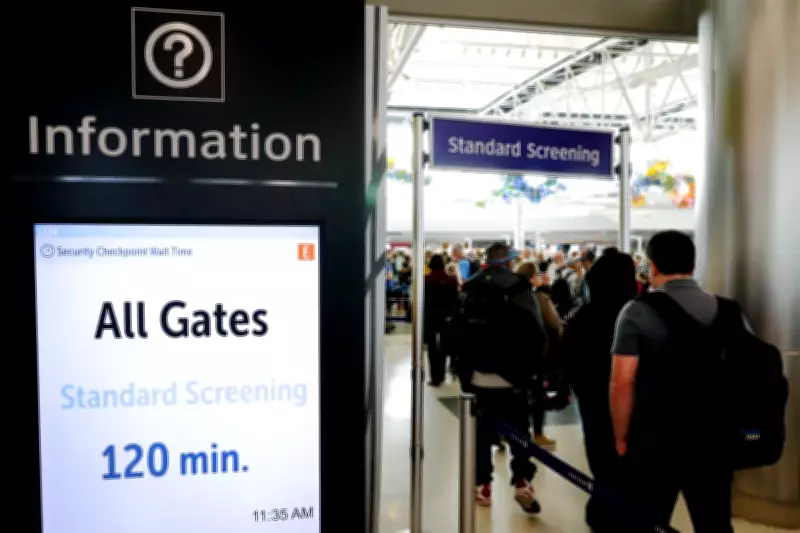
At George Bush Intercontinental Airport in Houston, Terminal E has become a focal point of the issue. On Friday, March 20, 2026, air travelers faced extensive wait times, with lines stretching for hours and security checkpoints overwhelmed. The scene highlighted the immediate consequences of understaffing, as remaining screeners struggled to manage the influx of passengers amid the resignations.
This exodus of personnel is not just a temporary setback; it poses a longer-term problem for the TSA, which relies on a stable workforce to maintain security standards and efficiency. The agency now must address both the immediate gaps in coverage and the underlying causes of employee dissatisfaction.

Root Causes and Broader Implications
The decision by screeners to quit stems from ongoing disputes over compensation and working conditions. Many employees have expressed frustration with the lack of timely pay, which has eroded morale and trust in the organization. This trend could lead to a vicious cycle, where increased workloads on remaining staff prompt further resignations, exacerbating the crisis.
Industry experts warn that if left unresolved, this staffing shortage could compromise airport security protocols and lead to more widespread travel disruptions. The TSA may need to implement emergency measures, such as hiring surges or incentive programs, to attract and retain qualified personnel.
Looking Ahead
As the TSA navigates this challenging period, the focus will be on restoring operational stability and rebuilding employee confidence. The agency's ability to adapt and respond effectively will be critical in ensuring that air travel remains safe and accessible for millions of passengers. In the meantime, travelers are advised to plan for potential delays and stay informed about airport conditions.






