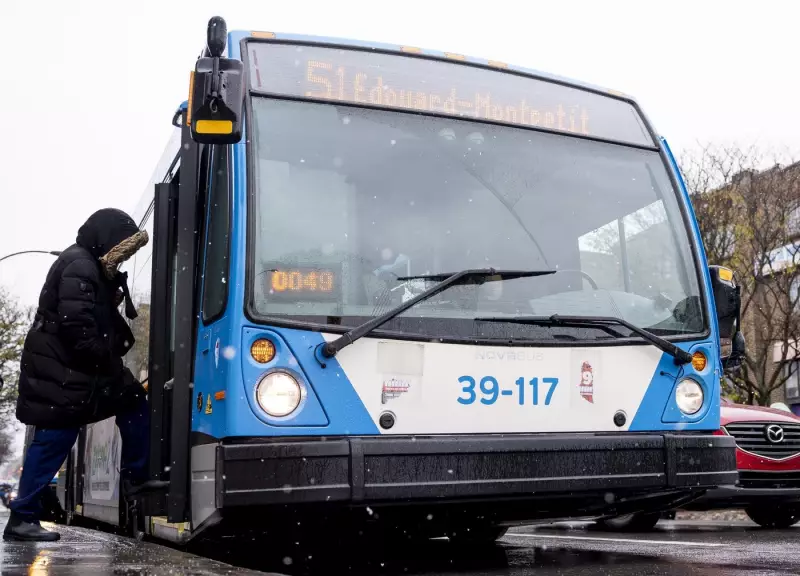
A second wave of labour action has paralyzed Montreal's public transit system, deepening the ongoing crisis for hundreds of thousands of daily commuters. This new phase of the strike began on December 17, 2025, as professional employees joined maintenance workers who had already walked off the job.
Escalation of the Labour Dispute
The strike action by the Société de transport de Montréal (STM) has now expanded significantly. What started with maintenance personnel has broadened to include a wide range of professional staff, effectively widening the impact on transit operations. This coordinated action signals a hardening of positions between the unionized workers and transit management.
The decision to escalate comes after failed negotiations between the STM and the unions representing its employees. Key sticking points in the dispute are believed to include wages, working conditions, and job security. The involvement of professional staff—a group that includes engineers, planners, and technical experts—suggests the dispute's core issues are deeply rooted and affect multiple employee classifications within the transit authority.

Impact on Montreal Commuters
For Montreal residents, this second strike compounds an already difficult situation. The STM is the backbone of the city's public transportation network, operating the metro and bus services that countless people rely on for their daily commutes to work, school, and appointments.
The timing, in mid-December, adds further strain during a busy holiday period. Commuters are now forced to seek alternative arrangements, which may include:
- Increased reliance on personal vehicles, worsening traffic congestion.
- Carpooling or ride-sharing services.
- Walking or cycling, which is challenging for longer distances or in winter weather.
- Working from home, where possible.
The strike disrupts the rhythm of the entire city, affecting economic activity and daily life. Businesses that depend on foot traffic from transit users may also see a downturn.
Broader Context and Next Steps
This labour unrest occurs within a wider national conversation about the cost of living, public sector wages, and the value of essential services. Transit workers, like many others, are negotiating in an economic climate marked by inflation and affordability concerns.
There is currently no indication of when talks might resume or what it would take to bring both sides back to the bargaining table. The STM has likely implemented contingency plans, but the scale of this expanded strike will test the limits of any such measures.
The pressure to find a resolution will intensify with each passing day the strike continues. All eyes are now on union leaders and STM management to return to negotiations and find a path forward that addresses workers' concerns while restoring vital transit service to Canada's second-largest city.