A damning investigation into a fatal workplace accident in Montreal has concluded that the temporary foreign workers involved had received no specific training and lacked essential safety equipment for the job they were performing. The report, released by Quebec's workplace safety board, sheds light on the circumstances leading to the tragic collapse on September 23, 2023.
Investigation Uncovers Critical Safety Failures
The incident, which resulted in one death, occurred at a worksite where load-bearing walls were being demolished. According to the findings from the Commission des normes, de l'équité, de la santé et de la sécurité du travail (CNESST), the workers tasked with this dangerous demolition were not properly prepared. The report states unequivocally that they had no training for the specific task and were not provided with the necessary personal protective equipment (PPE) to perform it safely.
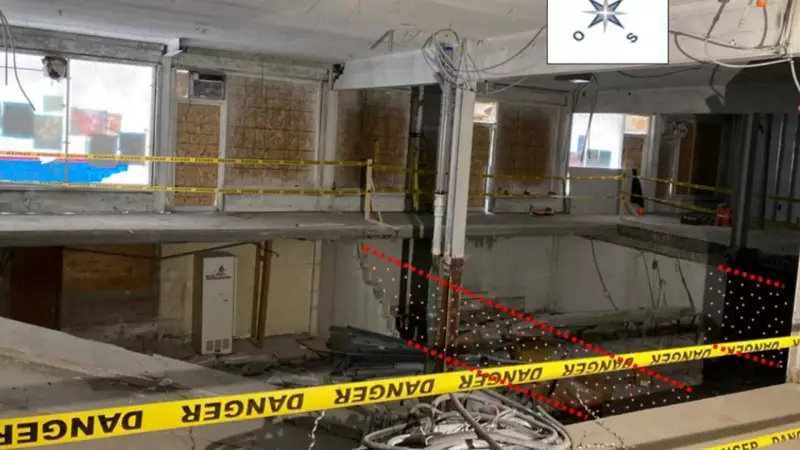
Photographic evidence from the CNESST, taken after the collapse, shows the compromised condition of the structural elements following the demolition work. This visual proof underscores the inherent dangers of the operation, which was carried out without the fundamental safeguards required by law.

A Systemic Issue for Vulnerable Workers
This case highlights ongoing concerns about the protection of temporary foreign workers in high-risk industries like construction. Advocates have long argued that these workers, often eager to maintain their employment and status in Canada, may be less likely to refuse unsafe work or report violations due to fear of reprisal.
The lack of task-specific training is a particularly egregious failure, as demolishing load-bearing walls requires precise knowledge and techniques to prevent catastrophic structural failure. The absence of proper safety gear further multiplied the risks faced by the workers on that day in late September 2023.
Ongoing Repercussions and Calls for Action
The CNESST's report is expected to form the basis for potential fines or charges against the employer, as Quebec's occupational health and safety legislation imposes a strict duty on employers to ensure worker safety. The findings add to a growing list of incidents raising questions about oversight and enforcement in the construction sector.
While the report details the immediate causes, it also prompts broader questions about systemic protections for temporary foreign workers across Canada. Safety experts and worker rights organizations are likely to use this case to call for enhanced inspections, mandatory safety training in multiple languages, and stronger whistleblower protections for all workers, regardless of their immigration status.
The tragic event in Montreal serves as a stark reminder that workplace safety cannot be compromised, and that all workers deserve to return home at the end of the day.