

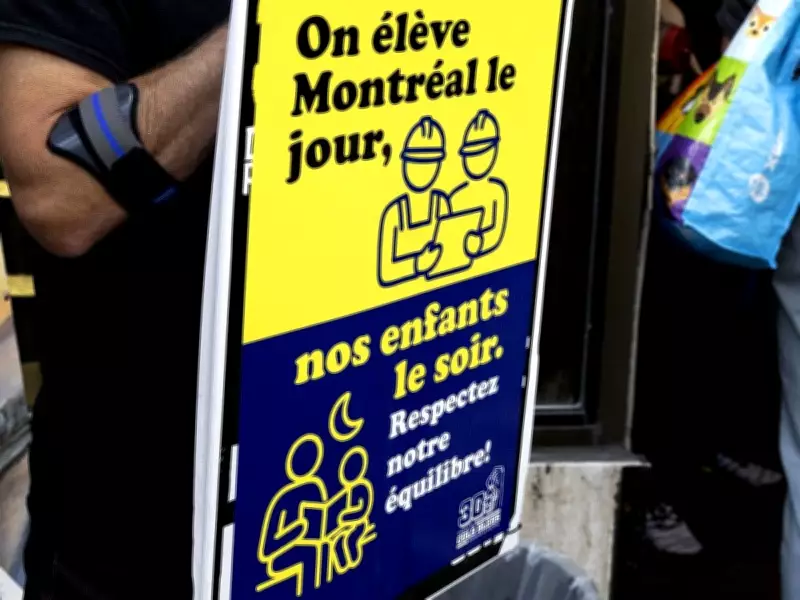
Montreal Blue-Collar Workers Launch First Strike in 17 Years Over Wage Dispute
For the first time in approximately 17 years, Montreal's blue-collar workers are taking to the picket lines. Roughly 6,000 employees represented by CUPE Local 301 are set to stage a 24-hour strike, beginning at 6 a.m. on Wednesday. This significant labor action comes after contract talks between the union and Montreal city hall reached an impasse, primarily over the critical issue of wages.
Root Causes of the Labor Disruption
The path to this strike began with the expiration of the workers' previous contract in December 2024. Negotiations for a new collective agreement have been ongoing since February 2025. The central point of contention remains wage increases. The union is steadfastly seeking pay raises that keep pace with inflation, aiming to protect workers' purchasing power amid rising living costs. Conversely, the city is focused on limiting its expenditures, as it concurrently negotiates with six different employee groups, creating a complex fiscal balancing act.
Essential Services to Continue During Strike
Under an agreement approved by Quebec's Administrative Labour Tribunal, the city is legally obligated to maintain essential operations throughout the strike period. This ensures that critical public services will continue, albeit with reduced staffing levels. The mandated essential services include:

- Cleaning of public spaces and municipal parks
- Water and sewer operations
- Major road repairs, but only for significant holes or subsidence posing safety risks
- Repairs to traffic lights and street lighting in cases of breakdowns or accidents
However, residents should note that garbage, recycling, and compost collection services will be suspended for the day. The tribunal determined that a one-day halt to waste collection during mid-winter does not constitute a risk to public health.
Legal Framework and Broader Implications
As Montreal is legally classified as a public service employer, the right to strike is conditional upon the maintenance of essential services. This legal framework has shaped the current strike's parameters. The walkout by CUPE Local 301 marks a rare and significant event, given the nearly two-decade span since their last labor action. It highlights ongoing tensions between municipal budgetary constraints and workers' demands for fair compensation in an inflationary economic climate. The outcome of this dispute could set a precedent for future negotiations with other city employee groups.






