

Health Care Workers Voice Financial Anxiety Amid Prolonged Contract Stalemate
Health care workers across Saskatchewan are grappling with mounting financial pressures and heightened anxiety as they mark three full years without a new collective agreement. This prolonged period of uncertainty has left many employees struggling to keep up with escalating living costs while their wages remain stagnant.
Contract Negotiations Reach Critical Juncture
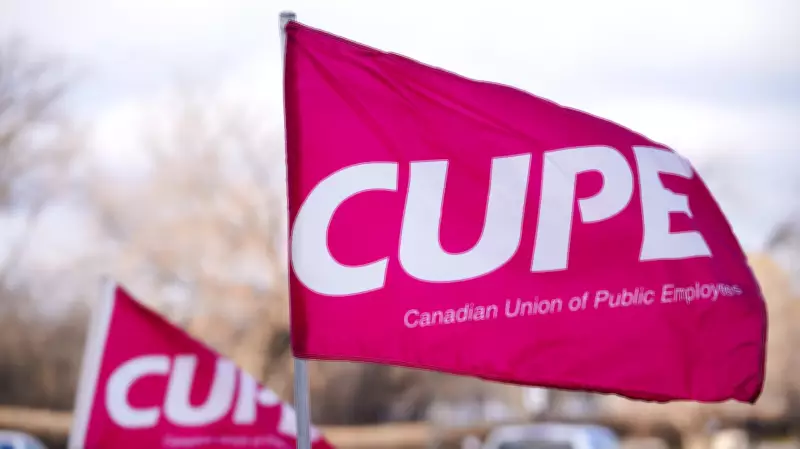
The Canadian Union of Public Employees (CUPE), representing thousands of health care workers throughout the province, has been engaged in protracted negotiations with government representatives since the previous contract expired in early 2023. Union officials report that bargaining sessions have yielded minimal progress, creating frustration among rank-and-file members who feel their concerns are being overlooked.
"Many of our members are genuinely struggling to make their monthly payments," explained a CUPE representative who requested anonymity due to the sensitive nature of ongoing negotiations. "When you go three years without a cost-of-living adjustment while everything from groceries to housing becomes more expensive, it creates tremendous stress on working families."

Workforce Morale and Retention Concerns
Beyond immediate financial worries, union leaders express concern about the long-term implications for Saskatchewan's health care system. Prolonged contract uncertainty has contributed to declining morale among existing staff while making it increasingly difficult to recruit new workers to the sector.
"We're seeing experienced nurses, technicians, and support staff considering career changes or moving to provinces with more stable labor environments," the CUPE representative noted. "This isn't just about wages—it's about showing respect for the people who kept our health system functioning through the pandemic and continue to do so every day."
Government Response and Next Steps
While provincial officials have acknowledged the lengthy negotiation process, they emphasize the complexity of reaching an agreement that balances fair compensation with fiscal responsibility. The government's bargaining team has indicated they remain committed to finding a resolution but have not provided a specific timeline for when negotiations might conclude.
The current situation mirrors challenges faced by public sector workers in other provinces, though Saskatchewan's health care contract negotiations have been particularly protracted. Union members are now considering their options, which could include:
- Increased public awareness campaigns highlighting their concerns
- Work-to-rule actions that maintain essential services while limiting non-essential duties
- Possible strike authorization votes if negotiations remain stalled
- Enhanced lobbying efforts directed at provincial legislators
As health care workers enter a fourth year without contract resolution, the psychological and financial toll continues to mount. Many employees report that the constant uncertainty has affected not only their household budgets but also their ability to focus fully on patient care. The union plans to intensify pressure on government negotiators in the coming weeks, hoping to break the impasse before the situation further deteriorates workforce stability in Saskatchewan's health care system.






