

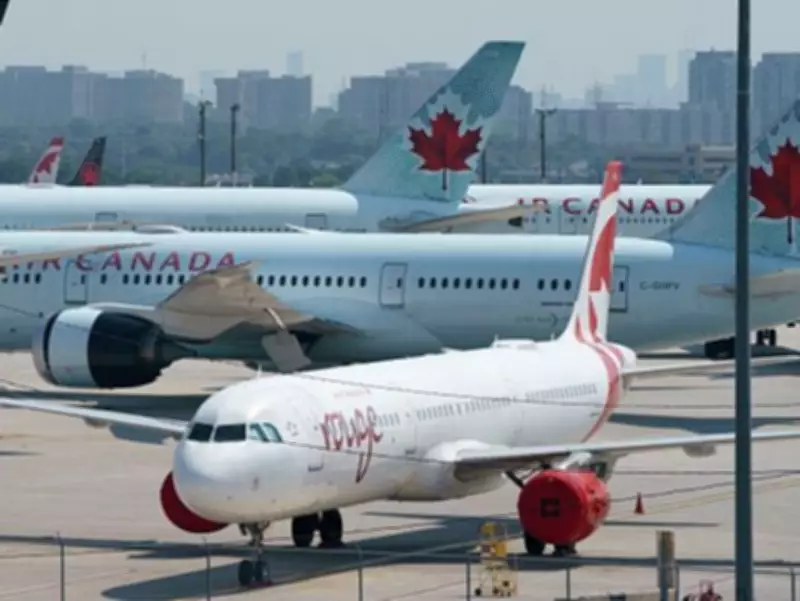
Air Canada Cabin Crew Secures 20% Wage Increase Through Arbitration
In a significant development for airline labor relations, Air Canada cabin crew members have been awarded a 20% wage increase over four years following an arbitration ruling. The decision, handed down on Tuesday, affects approximately 15,000 flight attendants across the airline's operations.
Details of the Arbitration Ruling
The arbitration process, led by arbitrator Paula Knopf, determined that mainline flight attendants will receive pay increases of up to 12%, while attendants working for the budget Rouge brand will see a 13% increase in the first year of the agreement. These adjustments are retroactive to April 1, 2025.
Over the subsequent three years, cabin personnel will receive additional raises of 3%, 2.5%, and 2.75%. However, the union's request for a cost-of-living adjustment was rejected in the final decision. Knopf noted that the rates offered by Air Canada fell "within the normative range" for the aviation sector.

Background of the Labor Dispute
This arbitration outcome concludes a contentious labor dispute that escalated into a three-day strike by flight staff in August 2025. The strike resulted in the cancellation of approximately 2,000 Air Canada flights, causing significant disruption to air travel across Canada.
The conflict reached a critical point when flight attendants nearly unanimously rejected Air Canada's initial wage offer, leading to mediation with federal involvement. The Air Canada Component of CUPE expressed disappointment with the final outcome, stating in a Facebook post that "this is not the outcome the union fought to achieve."
Specific Compensation Improvements
The comprehensive agreement includes several notable compensation enhancements:
- An overall compensation increase of approximately 40% over four years when including pension and benefits
- Premiums of 50% to 70% over the hourly rate for specific ground duties related to cabin security
- A significant change to compensation structure that now includes payment for certain pre-flight and post-flight duties
Arbitrator Knopf characterized the new premium structure as "a significant and unique income advance in the airline sector," particularly noteworthy given that Air Canada flight attendants were previously only compensated when aircraft were in motion—a standard industry practice that the union had sought to reform.
Industry Context and Implications
The arbitration decision comes amid broader labor tensions in the aviation industry, with flight attendants at various airlines expressing dissatisfaction with compensation and working conditions. While the Air Canada settlement provides substantial wage improvements, it also highlights the ongoing challenges in airline labor relations and the complex dynamics between unions, management, and government mediators.
The resolution of this dispute through arbitration rather than continued strike action represents a significant development for both Air Canada operations and the broader Canadian aviation landscape, potentially setting precedents for future labor negotiations in the sector.






